
Why Apprenticeships Matter in Construction: Building Skilled Trades, Digital Competency, and Workforce Resilience
Modern construction apprenticeships pair structured, on-the-job trade training with focused classroom instruction to produce work-ready crews for today’s tech-enabled jobsite. This piece outlines how apprenticeship pathways let participants earn while they learn, gain recognized credentials, and move along clear career ladders — while simultaneously helping employers close persistent skills gaps by embedding digital competencies like VDC and BIM. You’ll see the direct benefits to apprentices and employers, how tools such as robotic total stations and 3D scanning fit into curricula, and practical steps for designing programs that track measurable outcomes and create promotion pathways into leadership. Throughout, we reference terms like trade skills training, on-the-job training construction, VDC apprenticeship, and robotic total station training so practitioners and decision‑makers can map these concepts to real workforce-development solutions.
What Are the Core Benefits of Construction Apprenticeship Programs?
Apprenticeships give trainees a structured route to competence by combining classroom instruction with supervised field work. Programs that use competency milestones and tied wage progression reduce the need for remedial training, boost retention, and create transparent career ladders. Employers gain a steady talent pipeline and lower recruiting and turnover costs, while apprentices avoid student debt because they earn income as they train. Together, credentialing, mentorship, and hands-on practice develop technical skill, safety habits, and the teamwork and communication that support advanced specializations like VDC or robotic layout.
Different stakeholders realize different upside from apprenticeships; the table below summarizes core benefits, primary beneficiaries, typical outcomes, and common metrics used to measure success.
Apprenticeship benefits by stakeholder and measurable outcome:
| Benefit | Who Benefits | Typical Outcomes | Metrics |
|---|---|---|---|
| Earn-while-you-learn | Apprentices | Steady income during training; reduced student debt | Apprentice retention rate; wage progression |
| Hands-on competency | Employers & apprentices | Job-ready skills; less on-site supervision | Time-to-productivity; competency milestone completion |
| Credentialing | Apprentices & industry | Recognized certificates; career mobility | Certification pass rates; promotion counts |
| Retention & loyalty | Employers | Lower turnover; clearer succession pipeline | Annual turnover rate; internal promotion rate |
This comparison makes it easier for employers to prioritize the metrics that matter as programs scale and evolve.
Hands-on development comes through defined milestones and supervised practice — which leads naturally to how on‑the‑job training and wage progression are structured.
How Do Apprenticeships Provide Hands-On Training and Earn-While-You-Learn Opportunities?
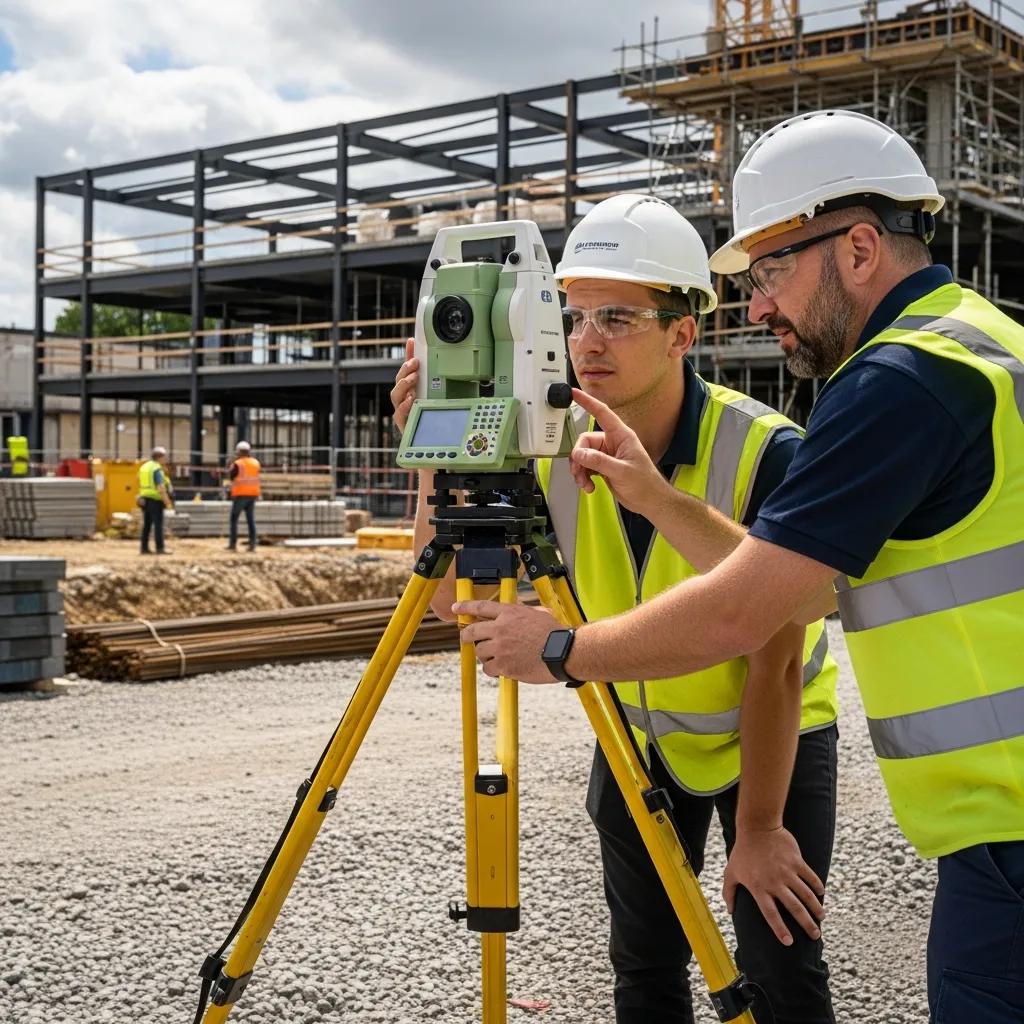
Apprenticeships mix field mentorship with classroom lessons so trainees practice real trade tasks under experienced supervisors and get immediate feedback. Programs break skills into competency milestones — for example, foundation layout, interior finishes, or basic BIM navigation — and link wage steps to demonstrated ability, aligning pay with learning progress. Mentors (often journeypersons) reinforce technique, safety, and quality, which reduces costly rework and raises workmanship standards. Progress is tracked through logged hours, competency assessments, and periodic reviews so both apprentices and employers have clear signals about readiness and next steps.
Those on-site learning mechanisms create credential pathways that move apprentices into higher-responsibility roles — a topic we cover next.
What Role Do Apprenticeships Play in Skilled Trades Training and Career Advancement?
Apprenticeships create visible career ladders from entry-level apprentice to journeyworker and onward to supervisory or technical specialist roles by combining certified competencies with documented project experience. Trade and digital credentials validate skills for employers and open routes into roles such as foreman, BIM coordinator, or VDC lead. Employers benefit from lower dependence on outside hires, cost savings, and stronger institutional knowledge. Succession planning becomes deliberate as apprentices progress through milestones that include both technical and leadership training, preserving skills as veteran workers retire.
Clear career mapping reduces ambiguity for apprentices, encourages completion, and strengthens the long-term stability of the construction workforce.
How Does Integrating Advanced Technology Enhance Modern Construction Apprenticeships?
Adding BIM, VDC, robotic total stations, and 3D scanning to apprenticeship curricula teaches digital construction skills that cut errors and speed field work. These technologies build transferable competencies — model navigation, clash detection, scan-to-BIM verification — that improve coordination between office and field and make apprentices immediately more useful on projects. Training ranges from software labs to supervised equipment use on site, reinforcing the link between virtual models and physical installation. The result: fewer RFIs and rework, and workflows that support prefabrication and faster installs.
Below is a concise comparison of common technologies, the skills they teach, training modality, and the impact on project outcomes.
Technology comparison for apprenticeship training:
| Technology | Skill Taught | Training Modality | Impact on Outcomes |
|---|---|---|---|
| Robotic Total Station | Precision layout operations | Field supervision, calibration labs | Reduced layout errors; faster setup |
| BIM / VDC | Model coordination; clash detection | Software labs, coordination meetings | Fewer RFIs; improved prefabrication fit |
| 3D Scanning / Point Cloud | As-built capture and verification | Scan exercises, processing workshops | Accurate record; streamlined as-built deliverables |
This table shows how specific tools map to teachable skills and measurable improvements in quality and schedule to guide curriculum design.
On-the-job equipment time plus lab practice accelerates adoption. Firms that combine classroom work with field mentorship see higher competence and faster technology uptake. For example, apprentices who operate layout instruments and read point clouds can validate model-to-field alignment, improving quality control and cutting installation delays. Employers integrating these tools should codify competency milestones and provide supervised practice so trainees gain both technical skill and on-the-ground judgment.
Because equipment access is often the limiting factor for applied learning, many firms partner with VDC consultants and technology providers to structure practical training — which leads into the concrete benefits of tools like robotic total stations and 3D scanners.
What Are the Benefits of Training with Robotic Total Stations and 3D Scanning?
Training on robotic total stations and 3D scanners teaches precision measurement and as‑built documentation that reduce layout errors and speed verification on site. Robotic layout instruction focuses on calibration, instrument control, and interpreting field offsets to minimize cumulative tolerances and rework. 3D scanning covers capture best practices, point‑cloud registration, and producing verification deliverables so teams can quickly compare design intent with installation. When apprentices master these tools, project teams see fewer layout disputes and faster acceptance of prefabricated systems because measurements are repeatable and documented.
Hands-on equipment experience combined with digital workflows helps trainees move seamlessly between model and jobsite, creating a continuous quality loop that boosts productivity and career readiness.
How Do BIM and Virtual Design and Construction Skills Improve Apprentice Outcomes?

BIM and VDC skills — model navigation, clash review, and coordination deliverables — let apprentices contribute to early coordination and prevent downstream conflicts. Apprentices fluent in model workflows can spot constructability issues, support prefabrication planning, and prepare shop-drawing inputs that shorten procurement-to-install cycles. VDC practices connect field input to office models via model-based layout and scan-to-BIM verification, reducing RFIs and enabling data-driven progress tracking. Training apprentices in these areas creates multi-skilled workers who add value both on site and in coordination meetings.
That blend of digital and field capability creates a feedback loop: apprentices improve coordination outcomes while acquiring higher-value skills that open new career opportunities.
How Do Apprenticeship Programs Address the Construction Industry Skills Gap?
Apprenticeships expand the talent pipeline by turning outreach and education into job placements and by aligning curricula with employer needs, which narrows the skills gap in measurable ways. Programs that include digital construction skills reduce time-to-productivity because apprentices enter the workforce ready to support modern projects. Paid pathways with clear advancement attract more diverse candidates — including younger workers who want alternatives to debt‑financed schooling. By formalizing employer input into curriculum design, apprenticeships also serve as agile upskilling routes for incumbent workers and a pipeline for new talent.
These mechanisms improve workforce resilience and make it easier for firms to source trained labor rather than relying on volatile general labor pools.
Key program features that attract Generation Z and tech-focused candidates:
- Paid, clear pathways: Transparent wage progression and credential outcomes that avoid student debt.
- Technology-first training: Hands-on experience with BIM, scanners, and robotic layout that appeals to digital natives.
- Visible career growth: Clear routes to supervisory or technical specialist roles backed by certification.
Apprenticeship design should also emphasize continuous learning to future-proof careers through competency refresh cycles and employer-sponsored upskilling that respond to automation and changing job specs. Apprentices who gain transferable digital skills remain valuable across projects and trades. Employers who fund periodic retraining and certification preserve institutional knowledge and keep crews current with emerging tools and methods.
These strategies position apprenticeships as lifelong learning platforms rather than one-time credentialing events, supporting both individual career resilience and organizational adaptability.
What Are the Employer Advantages of Investing in Advanced Apprenticeship Programs?
Employers who fund apprenticeship programs with advanced training typically see measurable gains in quality, productivity, and workforce stability that exceed initial costs. Digital training cuts rework and layout mistakes, improving schedule reliability and saving money. Well-structured programs raise retention because employees who see clear progression and employer investment are more likely to stay. When apprentices receive VDC and BIM training, firms realize efficiencies from better prefabrication coordination and fewer on-site corrections, which improves project margins.
To clarify employer-facing impacts, the table below links investment types to common cost/benefit metrics and example outcomes to help plan ROI.
| Investment Type | Cost / Benefit Metric | Example Outcome |
|---|---|---|
| VDC / BIM training | Rework reduction | 10–20% fewer change orders |
| Robotic layout training | Accuracy improvement | Reduced layout rework; faster installations |
| 3D scanning workflows | Verification speed | Faster acceptance of as-built deliverables |
Below are core employer advantages when apprentices receive tech-integrated training.
- Improved accuracy and reduced rework: Apprentices complete higher-quality installations with fewer corrective actions.
- Higher retention and lower hiring costs: Career pathways tied to training increase loyalty and lower turnover expenses.
- Operational efficiency gains: Digitally capable crews enable prefabrication, faster coordination, and tighter schedules.
How Does Training Apprentices in VDC and BIM Increase Project Precision and Efficiency?
Training in model-based workflows creates a direct connection from coordination to field execution: apprentices use model data for layout verification and prefabrication alignment. When apprentices can interpret coordination models and produce installable deliverables, teams see fewer on-site clashes and smoother handoffs to manufacturing, shortening installation windows. Model-to-field verification and scan-to-BIM create quantifiable checks that confirm installation accuracy. Employers should track KPIs such as reduction in RFIs, time-to-install, and prefabrication fit rates to quantify efficiency gains.
Defining these KPIs up front enables employers to measure the value contributed by digitally trained apprentices and refine training content over time.
What Is the Return on Investment for Construction Firms Supporting Apprenticeships?
Industry studies show apprenticeship programs can deliver meaningful returns through lower turnover, higher productivity, and less rework, with sector analyses commonly reporting roughly 20–30% ROI when training costs are weighed against operational savings. Employers validate ROI by tracking a few core metrics: retention-rate improvements, percent reduction in rework or change orders, and productivity gains measured as output per labor hour. Piloting a small cohort and measuring these metrics over 12–24 months gives firms the data needed to scale and optimize programs.
Practical ROI steps include: calculate training cost per apprentice, estimate annual savings from reduced turnover and rework, then compare net benefits to derive payback periods and internal rates of return.
After defining ROI targets, many employers partner with specialized VDC consultants or technology providers to deliver the technical portion of training. Conway Coordination and Layout Services (CCLS) offers VDC consulting and robotic total station layout services employers can reference when designing curricula to accelerate apprentice readiness. CCLS brings precision and practical experience in robotic layout and VDC workflows, showing how external partners can supplement — not replace — employer-led mentorship.
Which Career Pathways and Certifications Result from Modern Construction Apprenticeships?
Modern apprenticeships create clear career ladders from entry-level craft roles to supervisory and digital-specialist positions by pairing on-site experience with certifications that validate technical ability. Apprentices usually progress through staged competencies to become journeyworkers and, with BIM/VDC training, can move into roles like BIM coordinator, VDC lead, or field verification specialist. Vendor and industry certifications give formal recognition of digital skills, helping employers match credentials to job requirements. Embedding certification milestones into curricula improves employability and clarifies promotion criteria.
A concise list below outlines common career steps and how apprentices typically advance.
- Apprentice (entry-level): Hands-on skill building and foundational certifications.
- Journeyworker / Skilled Tradesperson: Proven competency and independent task execution.
- Technical Specialist (BIM/VDC): Model coordination, layout verification, and digital workflows.
- Supervisory / Management Roles: Foreman, BIM coordinator, VDC lead with leadership development.
How Do Apprenticeships Lead to Leadership Roles in Digital Construction Trades?
Apprenticeships that combine leadership training, mentorship, and technical mastery produce candidates ready for supervisory roles. Apprentices who demonstrate field competence and BIM/VDC fluency naturally fit foreman and coordination positions that translate model information into clear site instructions. Rotational assignments and mentor feedback build communication and planning skills needed for leadership. Employers gain from internally developed leaders who already understand company processes and safety culture, shortening ramp-up time and improving team cohesion.
Clear progression plans with leadership benchmarks encourage apprentices to develop supervisory skills alongside technical competence.
What Industry Certifications Support Career Growth in BIM and VDC Specializations?
Several vendor and industry certifications validate digital-construction competencies and integrate well into apprenticeship curricula, giving apprentices portable credentials recognized across the industry. Common options include software-vendor certifications for coordination tools, hardware-vendor training for layout systems, and trade certifications that incorporate digital skills. Employers can schedule certification objectives into competency blocks so apprentices earn credentials as they advance, increasing their marketability and allowing firms to deploy certified technicians on more complex tasks.
Employers who fund certifications and provide study time typically see higher completion rates and stronger graduate employability, reinforcing both individual careers and the firm’s talent pipeline. Firms building advanced apprenticeships often partner with established VDC consulting and layout services for curriculum templates and equipment access. Conway Coordination and Layout Services (CCLS) offers VDC consulting, BIM coordination, robotic total station layout, and 3D scanning capabilities that employers can model when designing training modules and competency checks. Nathan Conway and the CCLS team provide applied expertise that complements employer mentorship and helps translate digital workflows into practical apprentice tasks.
Frequently Asked Questions
1. What types of industries benefit from construction apprenticeship programs?
Apprenticeship programs serve the construction industry directly, but their benefits extend to related sectors such as manufacturing, engineering, and architecture. Skills taught in apprenticeships — from trade fundamentals to digital coordination — transfer across trades like electrical, plumbing, and HVAC, and into roles that support digital construction tools and software. That cross-industry applicability increases workforce versatility and adaptability.
2. How do apprenticeship programs support diversity in the construction workforce?
Apprenticeships increase diversity by offering paid, accessible pathways and clear advancement, which attract underrepresented groups including women, minorities, and younger workers. Many programs partner with community organizations for outreach and mentorship, widening the candidate pool and bringing diverse perspectives to jobsites. This inclusivity helps close the skills gap and strengthens team performance.
3. What are the challenges faced by apprenticeship programs in the construction industry?
Programs face challenges like fluctuating demand for skilled labor, funding limits, and the need to keep curricula current with rapid technological change. Recruiting and retaining apprentices can be hard when the industry is misunderstood or when smaller firms lack mentorship resources. Successful programs require employer commitment to training, supervision, and periodic curriculum updates.
4. How can employers measure the success of their apprenticeship programs?
Employers measure success through metrics such as retention and completion rates, the rate at which apprentices convert to full-time roles, and post-completion career progression. They should also track project-level impacts — reduced rework, fewer RFIs, and productivity gains — to evaluate return on training investment.
5. What role do mentorship and supervision play in apprenticeship success?
Mentorship and supervision are essential. Experienced mentors guide technique, safety, and problem-solving, while supervisors provide immediate feedback that accelerates skill acquisition. A strong mentorship framework improves retention, builds confidence, and produces a more capable and cohesive workforce.
6. How do apprenticeship programs adapt to technological advancements in construction?
Programs adapt by routinely updating curricula to include training on the latest tools and software — BIM, VDC, robotic layout systems, and scanning workflows. Partnerships with technology providers and industry experts ensure apprentices gain hands-on experience with current equipment. Employer feedback also helps align training with market needs so apprentices are prepared for evolving job requirements.
7. What are the long-term benefits of participating in an apprenticeship program?
Long-term benefits include higher employability, stronger earnings potential, and clearer routes to career advancement. Apprentices gain practical experience and recognized certifications that make them competitive, while ongoing training builds both technical and soft skills needed for leadership. Over time, many apprentices grow into supervisory or specialized roles, contributing to a more stable and skilled workforce.
Conclusion
Apprenticeship programs offer a practical, measurable path to develop skilled tradespeople while closing the industry skills gap. By pairing structured mentorship with modern technology training, these programs strengthen technical ability and career mobility for apprentices while delivering productivity and retention benefits for employers. If you’re ready to design or enhance an apprenticeship initiative, start with clear competency milestones, measurable KPIs, and partnerships that provide equipment access and technical instruction.