
Attracting New Talent to the Construction Industry: Practical Strategies and Modern Career Paths
Bringing new people into construction means recasting familiar workforce challenges as opportunities: high-tech, career-focused roles that resonate with younger candidates. This guide lays out why recruiting the next generation matters, how technology and training create clear career ladders, and what firms can do now to build a future-ready workforce. You’ll get a straightforward look at the root causes of the labor gap, how VDC, BIM, 3D scanning, and robotic layout reshape daily work, and which recruitment and training tactics produce the best hires. We map education pathways, employer-branding moves, diversity initiatives, and digital channels so construction leaders can turn tech adoption and workforce development into real recruiting advantages.
What Are the Key Challenges in Attracting Young Talent to Construction?
At heart, the industry faces a supply problem driven by demographics, perception, and a widening skills gap. Retirements remove institutional know-how, old stereotypes make the field look low-tech, and faster technology adoption raises expectations for digital skills. These forces combine to squeeze hiring, inflate labor costs, and threaten schedule reliability. Solving the problem takes aligned work across recruitment messaging, training programs, and on-site experiences that clearly show career progression. Below we break down the main causes and how they immediately affect project delivery and staffing.
Common root causes that explain recruitment difficulty include:
- A maturing workforce: many skilled tradespeople are retiring while fewer new workers enter the pipeline.
- Perception gaps: construction is often seen as low-tech, risky, or offering limited upward mobility—off-putting to tech-minded candidates.
- Skills mismatch: modern projects demand digital construction competencies that many new entrants lack.
Left unaddressed, these factors increase hiring pressure, push up labor costs, and undermine schedule certainty. The next section looks at the demographic trends driving the shortage and why timing is critical for replacement planning.
How Does the Aging Workforce Impact Construction Talent Shortage?
The industry’s median age has climbed, creating a wave of retirements that sharply increases replacement needs and erodes trade-specific knowledge. When seasoned operators and supervisors leave, their tacit expertise—sequencing, quality checks, site risk judgment—goes with them, forcing rapid upskilling of newer workers. Teams without timely replacements see schedule slips, more rework, and heavier reliance on short-term labor. Employers should forecast retirements, capture institutional knowledge, and accelerate competency-based training to stabilize crews and protect productivity. These steps make pipeline-building and apprenticeships urgent, not optional.
What Perception Gaps Affect Recruitment in Construction?
Many young people still picture construction as mainly manual labor in unsafe conditions with few promotion paths. Today’s sector includes tech-forward roles that mix fieldwork with digital coordination—and that message isn’t landing. Companies that highlight model-based coordination, precision robotic layout, and AR site reviews win candidates who want purposeful, skill-building careers. Recruitment messaging must replace outdated images with concrete examples of tech-enabled tasks, clear promotion routes, and real safety improvements to attract digitally literate talent.
How Do Advanced Technologies Transform Construction Careers?
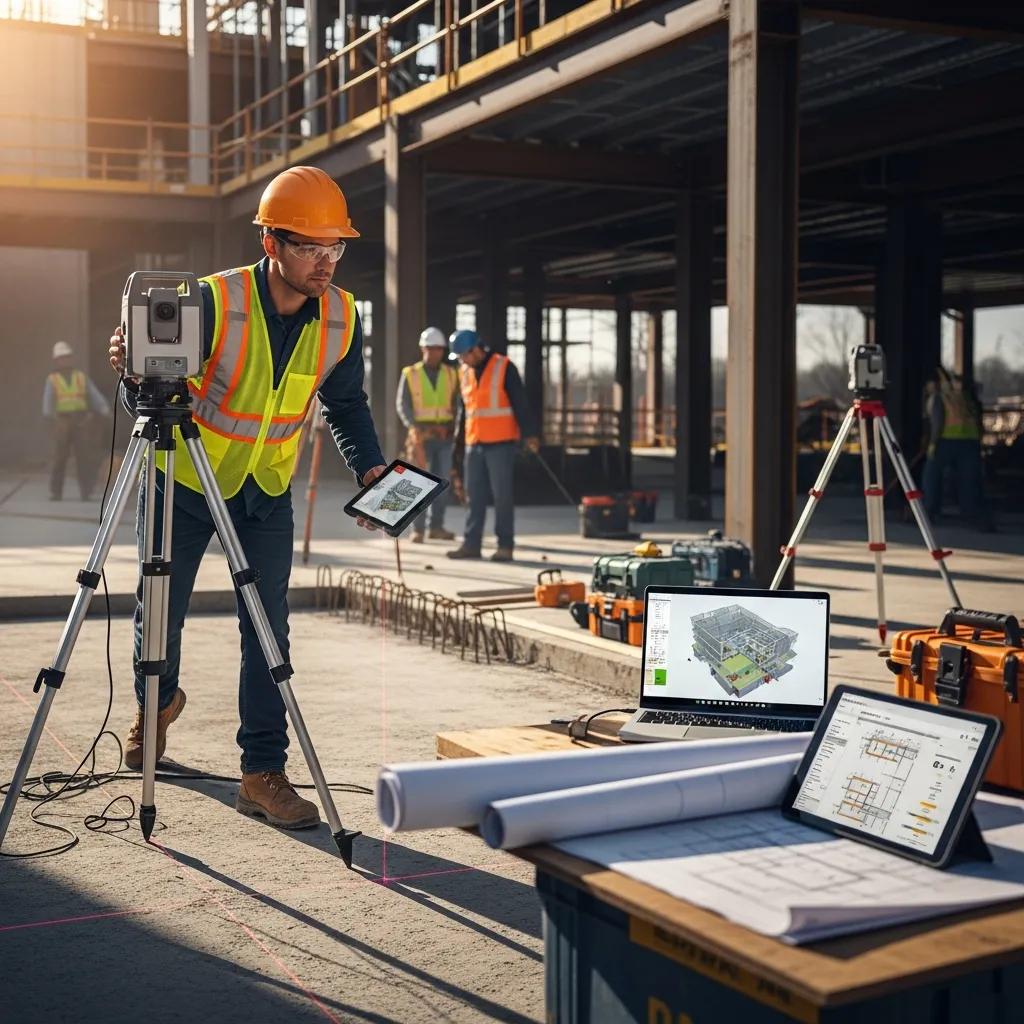
Advanced tools create hybrid roles that blend field execution with digital coordination, raising skill requirements and career potential. Technology removes repetitive manual work and opens paths like digital construction coordinator, BIM specialist, and robotic layout technician—roles that are steadier and more skilled. These changes also improve safety and project outcomes through precision and early clash detection, making the day-to-day less physically punishing and more engaging.
Below is a concise comparison of core technologies, the skills they demand, and the career benefits they create to help hiring managers decide where to invest in talent development.
Different digital construction technologies require distinct competencies and lead to different career outcomes.
| Technology | Key Skill Set | Typical Roles | Immediate Career Benefit |
|---|---|---|---|
| Virtual Design & Construction (VDC) | Model coordination, sequencing, visualization | VDC coordinator, construction technologist | Cross-discipline coordination experience that speeds leadership progression |
| Building Information Modeling (BIM) | Modeling, clash detection, data management | BIM modeler, BIM coordinator | Transferable digital skills that boost marketability and mobility |
| 3D Scanning & Point Cloud Processing | Laser scanning operation, point cloud registration | 3D scanning technician, scan-to-BIM specialist | Specialized, high-demand niche with fast on-site-to-model turnaround |
| Robotic Total Station Layout | Robotic instrument operation, precision surveying | Robotic layout technician, field survey operator | Millimeter-level accuracy that reduces rework and improves safety |
This comparison shows how each technology maps to jobs and practical advantages, helping teams prioritize hiring and upskilling. The next pages dig deeper into VDC and BIM and how they shape daily work.
What Role Does Virtual Design and Construction Play in Modern Jobs?
VDC centralizes model-based coordination, sequencing, and visualization so teams can reduce rework and streamline field execution. VDC specialists run clash detection, build installation sequences, and create visual guides that forepersons and crews use on site—mixing office-based problem solving with practical field impact. Roles that expose entry-level staff to VDC create fast learning cycles that accelerate competency and retention, so VDC experience is a powerful recruitment differentiator.
How Are Building Information Modeling Skills Shaping Future Careers?
BIM skills—model creation, coordination, data hygiene, and interoperability—are now currency in construction. Practitioners move from modeler to coordinator to VDC manager, picking up supervisory responsibilities and cross-trade influence. Training focused on tools, standards, and model-based workflows produces hires who can turn plans into executable sequences and cut onsite ambiguity. For recruitment, promoting BIM career ladders signals a tech-rich pathway with clear promotion mechanics and transferable skills.
Which Strategies Bridge the Skills Gap in the Construction Workforce?
Closing the skills gap takes a layered approach: apprenticeships, employer-led upskilling, academic partnerships, and accessible micro-credentials so entrants gain both trade and digital competence. Priorities include competency-based apprenticeships with embedded digital modules, on-the-job VDC/BIM exposure, and aligning school curricula with employer needs. These steps shorten time-to-productivity and create visible career ladders that attract tech-oriented candidates. The table below compares program types to help firms pick the right mix.
Comparing program types clarifies which approaches deliver quick reskilling versus long-term progression.
| Program Type | Target Skill | Outcome |
|---|---|---|
| Apprenticeship with Digital Modules | Core trade + BIM/VDC basics | Long-term progression and credentialed competence |
| Short Courses & Micro-credentials | Specific software or hardware skills | Fast upskilling and immediate role fit |
| Industry Certifications | Standardized competency verification | Employer confidence and easier hiring decisions |
| On-the-Job Training & Mentorship | Applied use of tools on projects | Faster productivity and better retention |
Blending structured credentials with applied mentorship yields the strongest workforce outcomes. The next sections show how modern apprenticeships and educational pathways support these choices.
How Do Apprenticeships and Training Programs Develop Digital Construction Skills?
Modern apprenticeships mix classroom instruction, hands-on field rotations, and software labs where apprentices practice BIM coordination and VDC tasks under mentor guidance. Employers who define clear competency milestones—model navigation, clash resolution, scan interpretation—can measure progress and tie pay steps to skill attainment. Blended learning shortens onboarding and produces promotable talent who fluently work with drawings and digital models. Committing to protected learning time and reasonable mentor ratios helps apprentices transition into productive, safety-minded hybrid roles.
What Educational Pathways Support Careers in Construction Technology?
Multiple educational routes support entry and mid-level roles: trade diplomas, associate degrees, vendor certifications, and stacked micro-credentials focused on BIM and scanning. These pathways pair software training with applied projects so graduates can show portfolio work—coordinated models or scan-to-BIM conversions. Employers who partner with training providers can shape curricula and create direct-hire pipelines, reducing recruitment friction and ensuring grads have the exact competencies needed. Mapping these pathways in recruitment materials clarifies the steps from classroom to jobsite.
How Can Construction Firms Improve Their Image to Attract Talent?
Improving employer image begins with messaging that highlights career growth, technology use, safety improvements, and inclusive practices that matter to Gen Z and Millennials. Share day-in-the-life content that showcases digital tools, explain how precision layout boosts safety, and publish clear promotion criteria to counter stereotypes. Make internal practices—mentorship, flexible scheduling, D&I initiatives—visible in recruitment channels. The following sections tie tech-driven safety and efficiency to employer branding and explain how inclusion broadens the talent pool.
What Safety and Efficiency Benefits Does Technology Bring to Construction?
Digital coordination, 3D scanning, and robotic layout cut manual measurement, lower rework, and reduce site hazards by enabling accurate prefabrication and clearer installation instructions. For example, robotic total stations deliver millimeter-level layout that trims repetitive stakeout time and limits exposure to risky tasks. These efficiencies produce steadier schedules and fewer late-stage fixes, which boosts worker satisfaction and job stability. Framing these outcomes in recruitment messaging helps present construction as a safer, higher-tech career where tools protect workers and improve daily work.
- Call out measurable safety improvements and the specific tools you use.
- Support efficiency claims with concrete examples of reduced rework and faster sequencing.
- Connect equipment and coordination practices directly to worker wellbeing and career growth.
Presenting these benefits positions the industry as modern and values-driven and sets up how inclusion expands hiring reach.
How Do Diversity and Inclusion Initiatives Enhance Workforce Development?

Diversity and inclusion widen talent pipelines by reaching underrepresented groups through targeted outreach, scholarships, and mentorship that remove nontechnical barriers like access and cultural fit. Inclusive onboarding, bias-aware hiring, and tracked retention efforts increase candidate interest and long-term retention; diverse teams also bring broader problem-solving that improves outcomes. Employers who measure and report D&I results—retention gains, promotion rates—attract candidates who care about equity. Designing recruitment funnels with inclusive partners and community programs makes workforce development fairer and more resilient.
What Recruitment Strategies Are Effective for Building a Future-Ready Construction Workforce?
Effective recruitment combines employer branding, targeted digital outreach, school partnerships, and data-driven hiring metrics to build pipelines of tech-capable candidates. Use a multichannel approach: video to show technology in action, targeted ads to vocational audiences, and school partnerships for direct pipelines. Track time-to-hire, retention, and pipeline yield so you can refine tactics and prove ROI. The table below compares common platforms and their best metrics to help teams prioritize approaches that match recruitment goals.
Below is a practical comparison of platforms and approaches with the metrics to watch.
| Platform / Approach | Best Use Case | Key Metric |
|---|---|---|
| Social video platforms | Showcase day-in-the-life tech roles | Engagement and application rate |
| Job boards specialized in trades | Reach active, skilled job seekers | Time-to-fill and quality-of-hire |
| School and trade partnerships | Build direct pipelines from education | Pipeline yield and conversion rate |
| Employer branding campaigns | Long-term reputation and attraction | Brand awareness and retention |
Use this comparison to match platform choice to recruitment goals and identify the right metrics to track. The following sections go deeper into digital channels and employer-brand tactics.
How Can Digital Platforms Be Leveraged for Construction Talent Acquisition?
Digital platforms work best when they combine visual storytelling about tech-enabled roles, targeted ads to vocational audiences, and authentic employee content that shows career paths and daily work. Short videos of BIM coordination, robotic layout setups, or scan-to-model workflows draw technically curious candidates who want visible learning opportunities. Targeted ads on trade-focused channels and partnerships with vocational platforms reach active job seekers, while application funnel data helps refine messaging. Used strategically, technology itself becomes a recruitment magnet.
What Role Does Employer Branding Play in Recruiting Young Professionals?
Employer branding signals whether a firm offers purpose, growth, and modern tools—key factors for younger professionals. Messaging should revolve around career ladders, hands-on technology exposure, safety-first practices, and meaningful project work. A simple refresh checklist includes publishing promotion pathways, producing employee-centered tech demos, collecting success stories, and aligning benefits with candidate priorities. When those pillars show up consistently across ads, social content, and campus outreach, firms attract candidates seeking stability, skill growth, and values alignment.
- Define career ladders: Publish role progressions and competency milestones.
- Showcase technology: Use media to demonstrate daily BIM, VDC, and robotic-layout use.
- Promote safety and benefits: Tie safety practices to worker wellbeing and retention.
These branding steps create a coherent candidate experience that supports hiring KPIs and retention goals.
For firms looking to partner on technology-forward projects that attract and retain talent, Conway Coordination and Layout Services (CCLS) delivers specialized VDC, BIM, 3D scanning, model integration, and precision layout services that show how digital workflows make construction careers more technical and rewarding. We’re a family-owned team with hands-on industry experience, using robotic total stations and scan-to-model workflows to improve schedule reliability and cut rework. Partnering with a technology-focused provider helps employers present compelling, hands-on roles to recruits while accelerating on-the-job learning.
- Integrate vendor-led training: Use project partnerships to expose hires to real-world digital workflows.
- Leverage precision layout on-site: Show how millimeter accuracy reduces rework and improves safety.
- Showcase project outcomes: Use coordinated models and scan data in recruitment materials to demonstrate capability.
Frequently Asked Questions
What are the benefits of pursuing a career in construction technology?
Careers in construction technology offer stability, competitive pay, and clear advancement paths. As the industry adopts tools like BIM and VDC, professionals work on innovative projects that broaden their skill sets. Many roles blend fieldwork with digital coordination, which appeals to tech-minded candidates. With improved safety and efficiency, these positions tend to be more secure and rewarding than traditional perceptions suggest.
How can construction firms effectively showcase their technology to attract talent?
Showcase technology through short videos, employee testimonials, and site demonstrations. Host open houses or virtual tours that highlight robotic layout, BIM workflows, and scan-to-model processes. Emphasize how these tools improve safety and efficiency to connect with candidates who want meaningful, skills-based careers.
What role do mentorship programs play in attracting new talent?
Mentorship programs bridge classroom knowledge and practical skills, helping newcomers learn from experienced tradespeople. They boost satisfaction and retention by providing career guidance and hands-on support. Highlighting mentorship in recruitment materials appeals to candidates who value professional growth and a supportive workplace.
How can construction companies improve their diversity and inclusion efforts?
Improve D&I by running targeted outreach to underrepresented groups, offering scholarships and internships, and creating mentorship programs that remove access barriers. Practice bias-aware hiring and provide ongoing inclusion training. Regularly measure and report D&I outcomes to show progress and attract candidates who prioritize equity.
What educational qualifications are most beneficial for entering the construction technology field?
Useful qualifications range from trade school diplomas and associate degrees to vendor certifications and stacked micro-credentials. Programs focused on BIM, VDC, and scanning are particularly valuable. Hands-on experience through internships or apprenticeships is highly prized, and short courses help workers stay current as tools evolve.
What are some effective digital recruitment strategies for construction firms?
Use social media to share engaging content about company culture and technology. Run targeted ads on vocational job boards and build partnerships with schools to create direct pipelines. Track analytics—application rates, engagement, and conversion—to refine outreach and attract the right candidates.
Conclusion
Attracting new talent is essential to close labor gaps and drive innovation through advanced tools. By combining clear recruitment messaging, hands-on training, and visible career pathways, firms can engage younger generations who want tech-forward, meaningful work. Emphasizing digital skills, safety improvements, and promotion routes helps position construction as a forward-thinking career choice. Explore our resources to start building a future-ready workforce today.