
Comprehensive PPE Guide for Construction: OSHA Standards, Fit Requirements, and Practical Safety Steps
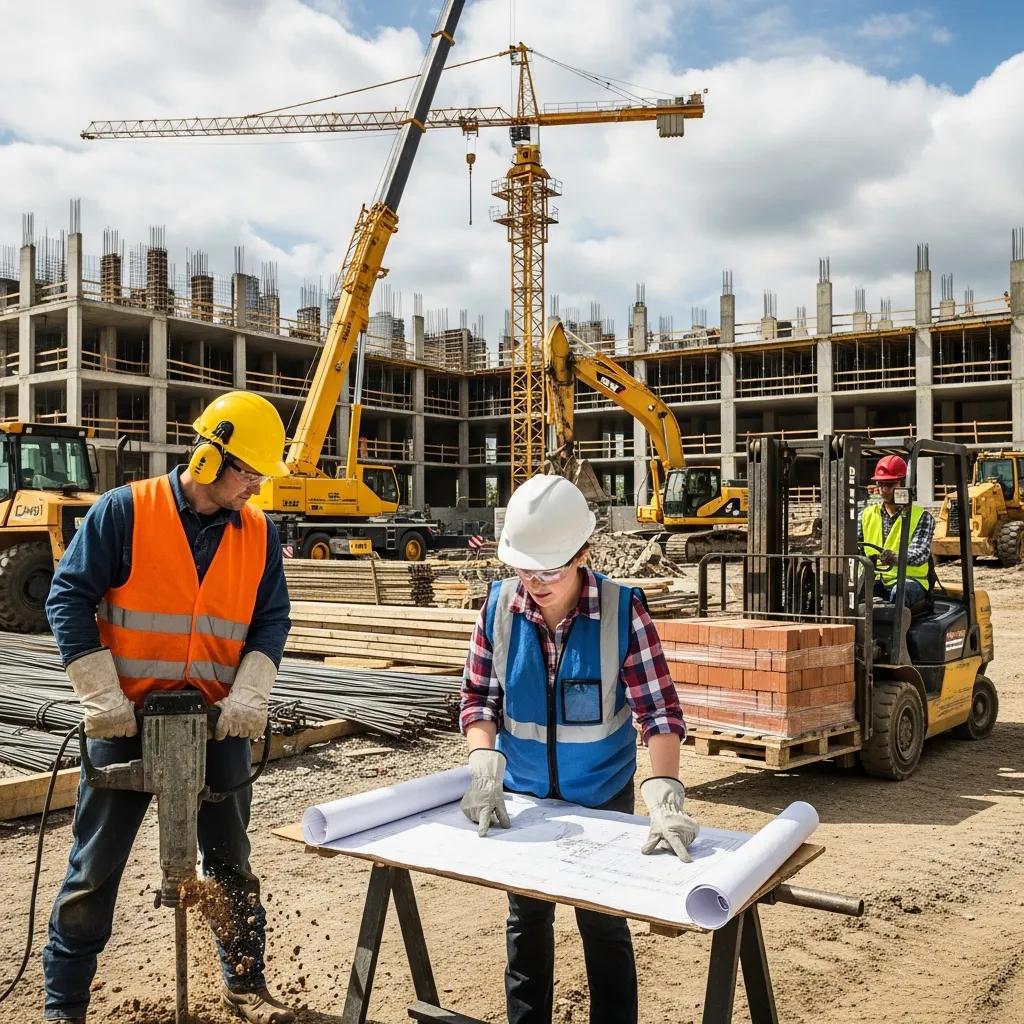
PPE — personal protective equipment — is the first line of defense on any construction site. It reduces injury risk by limiting exposure to physical, chemical, and fall-related hazards. This guide lays out OSHA’s construction PPE expectations, pragmatic selection and inspection routines, and how modern digital tools make PPE programs measurable and auditable. Construction hazards change by phase — excavation, framing, mechanical, finishing — so consistent PPE planning ensures each worker gets the right gear, sized correctly, and kept serviceable. You’ll find clear steps for employer compliance, methods to match PPE to hazards, and verification approaches that include model-based validation and field scanning. The guide summarizes OSHA citations and the January 17, 2025 PPE fit requirement, compares common PPE categories to ANSI/NIOSH guidance, and provides step-by-step practices (hazard assessment, training, fit-testing, inspection schedules) to lower rework and enforcement risk. Finally, we describe how VDC, BIM, and 3D scanning can simulate hazards, confirm anchor points, and produce auditable PPE-zone documentation that strengthens on-site safety outcomes.
What Are the OSHA PPE Requirements for Construction Sites?
OSHA requires a site-specific hazard assessment and for employers to provide required PPE at no cost when hazards exist, as set out in 29 CFR 1926.95 and related construction rules. Employers must identify hazards, select PPE that meets applicable standards, train workers on use and care, and keep records—hazard assessments, distribution logs, and training or fit-test records—that support compliance. Good documentation should note assessment dates, identified hazards, PPE issued, and any fit verification performed; these records form a defensible audit trail during inspections. The table below summarizes core OSHA/ANSI expectations and highlights the January 17, 2025 fit rule that expands employer duties to verify and document proper fit for items such as respirators and fall-arrest components. A repeatable hazard-assessment cadence and solid recordkeeping reduce exposure and the chance of citations.
OSHA/ANSI compliance comparison table:
| Standard / Guideline | Requirement | Effective Date / Notes |
|---|---|---|
| 29 CFR 1926.95 | Perform hazard assessments and provide PPE at no cost | Ongoing obligation for construction employers |
| OSHA PPE Fit Rule (Jan 17, 2025) | Ensure PPE provides a proper fit; document sizing and fit processes | Introduces explicit fit verification and recordkeeping expectations |
| ANSI Standards (e.g., Z89.1, Z87.1, Z87.1+) | Define performance and testing criteria for PPE | Use as procurement and acceptance benchmarks |
This compact comparison helps safety leaders turn regulatory language into procurement, training, and inspection actions that satisfy inspectors and protect crews.
How Does the 2025 OSHA PPE Fit Rule Impact Construction Safety?
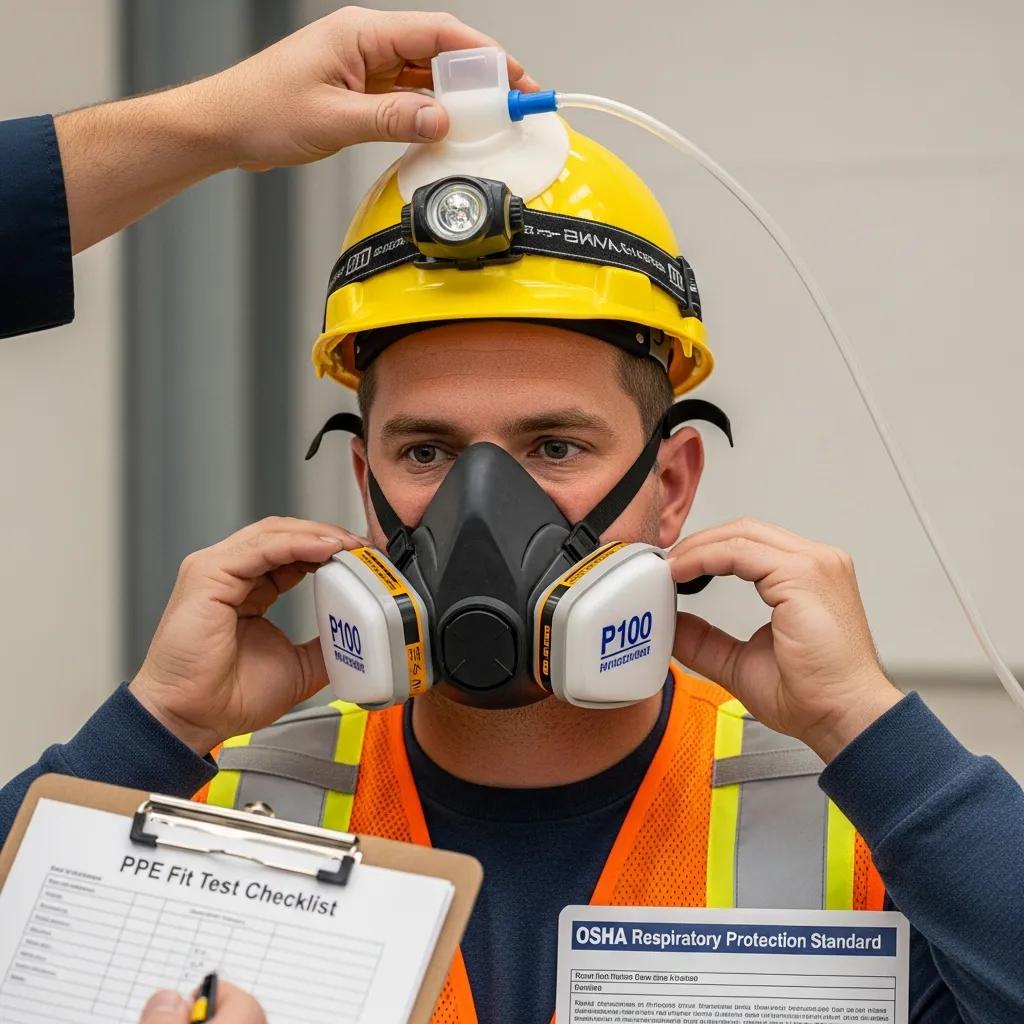
The 2025 fit rule tightens focus on verified fit for PPE that must conform to a worker’s body or face — for example, respirators and fall-arrest harnesses. A poor fit undermines protection, so employers must adopt documented procedures for sizing, fit-testing or fit-checks, and corrective steps when fit cannot be achieved with available gear. Records of fit sessions, adjustments, and replacements are required. Practically, incorporate sizing sessions at mobilization, require supervisors to confirm fit during pre-task briefings, and document respirator fit-testing to established protocols. Better fit means better protection, fewer stoppages for adjustments, and lower risk if equipment is stressed during an incident.
What Employer Responsibilities Ensure PPE Compliance on Construction Sites?
Employers carry primary responsibility for a PPE program: identify hazards, choose compliant PPE, provide training, and enforce use at the point of work. A practical employer checklist includes documented hazard assessments, written PPE policy, procurement records showing standards compliance, signed training logs, and inspection/repair records for items withdrawn from service. Define roles clearly — a safety manager to manage the program and records, superintendents to enforce daily use, and qualified trainers to run fit-testing and refreshers — so accountability is traceable. Regular audits and toolbox talks reinforce expectations and provide feedback loops from near-miss reports to procurement updates.
Which Types of PPE Are Essential for Construction Workers?
Essential construction PPE covers head, eye, hearing, respiratory, hand, foot, fall, and high-visibility protection. Each category addresses a specific hazard class and must be selected based on task risk. Selection follows a simple workflow: identify the hazard, select the right protective class or rating (ANSI, NIOSH), verify sizing/fit, and schedule inspection and maintenance. The table below summarizes common PPE types, applicable standards, and typical limitations so procurement and field teams can compare options quickly.
PPE comparison table:
| PPE Type | Key Features / Standards | Typical Use Cases / Limitations |
|---|---|---|
| Hard Hats | ANSI Z89.1 classifications; Type I/II, Class G/C/E | Impact and limited electrical protection; inspect suspension before each use |
| Eye Protection | ANSI Z87.1 impact and splash ratings | Shields from debris and liquids; select side protection or goggles where needed |
| Respirators | NIOSH-certified filters/cartridges | Used for dust, fumes, vapors; require fit-testing and cartridge-change tracking |
This quick reference aligns hazard-based PPE selection with recognized performance criteria for purchasing and field use.
The list below highlights the core PPE categories and their primary purpose for fast on-site decisions:
- Hard hats: Head impact and penetration protection.
- Safety glasses/goggles: Eye protection from particles and splashes.
- Hearing protection: Reduce noise exposure and prevent hearing loss.
- Respirators: Protect the respiratory system from particulates and contaminants.
- Gloves: Guard hands against cuts, chemicals, and heat.
- Safety footwear: Protect feet from compression, puncture, and electrical risks.
- Fall arrest systems: Prevent or safely arrest falls while limiting injury forces.
- High-visibility garments: Improve worker conspicuity around equipment and traffic.
These categories form the baseline PPE inventory; pick items within each category that fit the specific hazard and verify fit and condition before work begins.
What Are the Key Features and Uses of Head Protection Like Hard Hats?
Hard hats combine a shell and suspension to absorb impact and resist penetration; ANSI Z89.1 sets the classifications and electrical protection classes. Type I protects from top impacts; Type II adds lateral impact protection. Classes G, C, and E indicate levels of electrical protection. Inspect the shell and suspension for cracks, dents, or UV damage during daily checks; replace after impact events or if inspections show degradation. Fit by adjusting the suspension so the hat sits level and stays stable. With the 2025 fit emphasis, document sizing and adjustments during mobilization to show due diligence. Comfortable, well-adjusted head protection improves compliance and reduces distraction on site.
How Do Eye, Hearing, Respiratory, Hand, Foot, Fall, and High-Visibility Protection Safeguard Workers?
Each PPE class targets a defined hazard: eye protection blocks flying particles and liquids; hearing protection limits damaging noise; respirators filter particulates and vapors; gloves defend against cuts and chemical exposure; safety footwear resists compression and puncture; fall arrest systems manage fall energy; high-visibility gear increases visibility to operators. Select equipment to applicable standards — ANSI Z87.1 for eye protection, ANSI 107 for high-visibility, NIOSH for respirators — and match to hazard severity and exposure duration. Maintenance routines cover cleaning reusable gear, respirator cartridge-change schedules, boot-sole checks, and hardware inspections for anchors and lanyards. Hands-on training for donning/doffing and supervisor verification during pre-task checks keep protection functioning as intended.
How Can Advanced Technologies Enhance PPE Planning and Compliance?

Digital construction tools — VDC, BIM, and 3D scanning — turn site hazards into visual, auditable artifacts that inform PPE decisions and enable verification across project phases.
VDC and allied services from Conway Coordination and Layout Services (CCLS) turn these digital workflows into operational outputs: VDC construction services and consulting convert hazard assessments into PPE-zone visualizations, BIM embeds safety attributes into models, and 3D scanning with point-cloud integration verifies as-built conditions for safety audits. For example, a model-driven workflow can locate anchor points and clearance requirements, then 3D-scan the installed condition to confirm compliance; CCLS’s Robotic Total Station layout and 3D scanning bridge model to field and produce auditable records for inspectors. These services augment — not replace — employer-led hazard assessments, training, and enforcement.
How Does VDC Facilitate Proactive Safety Planning and Hazard Simulation?
VDC workflows expose hazards early by creating time-phased simulations that reveal spatial conflicts and concentration of risk before crews mobilize. VDC deliverables can include PPE-zone maps, exclusion-area simulations for heavy lifts or excavations, and logistics plans that sequence work to reduce exposure. A typical workflow imports site surveys into the model, overlays trade sequencing, runs clash detection to flag obstructions, and generates PPE assignment layers by zone; those outputs inform procurement and training priorities. Moving these decisions earlier reduces field improvisation that often causes inconsistent PPE use and rework.
In What Ways Do BIM and 3D Scanning Support PPE Compliance and Safety Audits?
BIM models and 3D point clouds provide traceable attributes — anchor tags, walkway elevations, clearance dimensions — that support pre-task planning and post-installation verification. BIM can store metadata linking elements to required PPE, inspection dates, and responsible parties, enabling automated checklist exports for field teams. 3D scanning captures as-built geometry so auditors can confirm clearances and anchor placements against the model; scan-to-BIM reconciliation supplies evidence for corrective actions when discrepancies arise. Together, these technologies create auditable digital records that document PPE decisions and help continuously improve site safety practices.
What Are Best Practices for Implementing and Maintaining a PPE Program?
A practical PPE program runs on a continuous loop: hazard assessment, PPE selection, training and fit-testing, daily inspections, maintenance and replacement, and documentation with periodic review. Begin with phased assessments — preconstruction, mobilization, then daily or task-specific checks — mapping hazards to PPE and controls. Training should include hands-on donning/doffing, respirator fit-testing, harness inspection practice, and scenario-based refreshers; document attendees and fit-test outcomes for audits. Define inspection frequency, who is responsible, and criteria for tagging out damaged items. Procurement standards should ensure equipment meets ANSI/NIOSH performance criteria.
Key procedural checklist (HowTo-style) to operationalize the program:
- Conduct a documented hazard assessment that maps hazards to PPE by phase and task.
- Procure PPE that meets applicable standards and run sizing sessions during mobilization.
- Deliver initial and refresher training with hands-on fit-testing and competency documentation.
- Implement daily inspection routines and a tagging system for equipment needing repair or replacement.
- Archive records and perform periodic program audits to capture lessons learned and update specifications.
Following these steps yields a defensible program that aligns daily practice with regulatory expectations and reduces incidents tied to inadequate protection.
For the latest guidance and project examples, see the news section.
CCLS can support visualization and verification steps in advanced program rollout: their VDC and BIM consulting produce hazard-mapped models and training visuals, while 3D scanning verifies as-built conditions for anchors and walkways. Teams seeking model-driven hazard assessments and auditable inspection outputs can partner with firms that combine layout services and point-cloud verification to convert planning into verifiable field compliance. Request a project consultation to align model outputs with on-site PPE needs and training goals.
How Should Construction Sites Conduct Hazard Assessments for PPE Needs?
Run hazard assessments in phases: start with a preconstruction review of site conditions, follow with mobilization checks for temporary works and access, and use daily or phase-specific reviews triggered by tasks, weather, or scope changes. Each assessment should list present hazards, required PPE per task, existing controls, and gaps needing procedural or engineering fixes. Use a standard form capturing assessor name, date, tasks affected, and superintendent sign-off to build an audit trail. Linking these assessments to model-based PPE zones or 3D scans keeps planning aligned with field conditions and speeds corrective action when discrepancies arise.
What Training and Maintenance Protocols Ensure Effective PPE Use and Fit?
Training must be hands-on, repeated at intervals, and documented. Initial sessions cover selection, proper donning/doffing, fit checks, limits of protection, and maintenance; refreshers address changing site hazards and lessons from near-misses. Follow regulatory cadence for fit-testing — respirators require formal fit tests at assignment and periodic retesting — while harness and fall-arrest training requires hands-on practice and inspection instruction. Maintenance protocols should include cleaning steps, cartridge replacement schedules, hardware lubrication where applicable, and a tagging system that identifies items taken out of service. Assign accountability for inspection and repair and log every maintenance action to preserve traceability for audits.
Which Construction Safety Equipment Should Be Included in a Comprehensive PPE List?
Your PPE inventory should be organized by task group, reference the ANSI/NIOSH standard for each item, and set inspection and replacement intervals so procurement and safety teams can plan budgets and maintenance. The table below gives a procurement-friendly mapping of items to standards and recommended inspection cadence to help safety managers operationalize inventory control.
Inventory and inspection table:
| Item | ANSI/OSHA Standard | Inspection / Maintenance Frequency |
|---|---|---|
| Hard hats | ANSI Z89.1 | Daily visual check; replace after impact or per manufacturer guidance (commonly 5 years) |
| Safety glasses/goggles | ANSI Z87.1 | Clean daily; inspect frames and lenses before use |
| Respirators (half/full-face) | NIOSH; OSHA fit-test regs | Fit-test at assignment; inspect before each use; replace cartridges per exposure |
| Fall arrest harness & lanyard | OSHA fall protection; ANSI Z359 series | Inspect before each use by a competent person; retire per manufacturer limits or after an arrest event |
This checklist-style mapping ties procurement specs to inspection routines that keep equipment serviceable and compliant.
Practical procurement and site checklist for daily worker verification:
- Daily visual inspection of PPE: Workers confirm visible integrity before use.
- Fit verification for respirators and harnesses: Workers run quick don/doff checks and supervisors confirm fit during pre-task briefings.
- Tagging and removal protocol: Damaged items are tagged out and quarantined until repaired or replaced.
Consistent use of this checklist prevents defective or poorly fitting gear from reaching the workplace.
What Are the ANSI Standards for Common PPE Items on Construction Sites?
Key ANSI standards should appear in procurement specs: ANSI Z89.1 for hard hats, ANSI Z87.1 for eye and face protection, and ANSI 107 for high-visibility apparel. Other consensus standards cover gloves, foot protection, and fall-protection hardware. Cross-reference ANSI with OSHA requirements to ensure both performance and regulatory compliance. When ordering PPE, specify the standard number and performance level and request certificates of conformity from suppliers to speed acceptance and audits.
How Can Workers Verify Proper Fit and Condition of Their PPE?
Workers should perform quick, standardized checks before each shift: inspect for cracks, deformations, or corrosion; run fit checks (user seal checks for respirators, don-and-shake tests for harnesses); and confirm straps, buckles, and suspensions operate correctly. If an issue is found, tag the item out and notify supervision for replacement. Supervisors should keep spare sizes on site to avoid improper substitutions. Clear removal criteria — impact exposure, visible damage, failed fit check — help workers make prompt, safe decisions and maintain equipment integrity across the crew.
Daily worker checklist intro: The following minimum checks should be completed before starting tasks.
- Hard hat: Confirm suspension is intact and shell is free of cracks.
- Eye protection: Ensure lenses are clear and frames are intact.
- Respirator: Perform a user seal check and ensure straps are secure.
- Harness: Inspect webbing for cuts or abrasion and test buckles.
These quick checks allow immediate removal of compromised equipment and support a steady culture of safety vigilance on site.
Supervisors should perform spot-checks and log outcomes, creating a documented trail that supports continuous improvement and regulatory inspections. For projects that want model-driven verification and as-built confirmation tied to PPE decisions, Conway Coordination and Layout Services (CCLS) offers BIM and 3D scanning services that generate auditable evidence linking PPE-zone assignments to verified field conditions. Requesting a consultation with a provider that integrates layout, VDC, and scanning helps turn program plans into verifiable compliance records and strengthens safety assurance.
Frequently Asked Questions
What is the importance of PPE training for construction workers?
PPE training ensures workers know how to use, inspect, and maintain their equipment correctly. Effective sessions cover donning and doffing, limitations of each PPE type, and the site-specific hazards crews will face. Regular, practical training reinforces safe habits, keeps teams up to date with regulatory changes, and promotes a shared safety culture that reduces incidents.
How often should PPE be inspected and maintained?
PPE should be checked before each use, with more thorough inspections on a scheduled basis — daily or weekly depending on the item and intensity of use. Maintenance routines should include cleaning, wear checks, and timely replacement of damaged parts. Some items, like respirators, require more frequent monitoring (fit tests, cartridge changes) based on exposure. A clear inspection schedule keeps equipment effective and audit-ready.
What are the consequences of non-compliance with PPE regulations?
Non-compliance can bring fines from OSHA, greater liability after incidents, and reputational harm. It also raises the risk of worker injury and can reduce productivity if crews feel unsafe. Maintaining compliant PPE programs protects workers, lowers enforcement risk, and preserves project continuity.
How can technology improve PPE compliance on construction sites?
Technology enhances PPE compliance by improving hazard visualization and creating auditable records. VDC and BIM allow teams to plan PPE zones early, while 3D scanning verifies as-built conditions and anchor placements. Digital records of inspections, training, and fit-testing streamline audits and make it easier to prove due diligence and continuous improvement.
What should be included in a PPE program audit?
An effective audit reviews hazard assessments, PPE selection and procurement records, training logs, inspection and maintenance records, and fit-test documentation. Auditors verify that equipment meets standards, workers received appropriate training, and the program is producing measurable safety outcomes. Regular audits identify gaps and prioritize corrective actions.
What role do supervisors play in ensuring PPE compliance?
Supervisors enforce PPE policy day-to-day: they run pre-task verifications, perform spot checks, confirm fit and condition, and address non-compliance. They also coordinate training, manage spare inventory for proper sizing, and log inspection outcomes. Active supervisory involvement builds accountability and sustains a safe jobsite culture.
Conclusion
A well-structured PPE program improves worker safety and helps meet OSHA obligations. Combining clear hazard assessments, hands-on training, disciplined inspections, and solid recordkeeping builds a defensible program that adapts to changing site conditions. Leveraging VDC, BIM, and 3D scanning adds precision and auditable evidence to PPE decisions. For teams seeking tailored support, partnering with experts in PPE compliance and technology integration can turn plans into verifiable, field-ready outcomes.