
What should contractors recheck before crews rely on pre-shutdown control, marks, access routes, and exposed conditions? Use a late-season Atlantic storm window to organize control, existing-condition, and layout-reference checks before work resumes; do not present weather occurrence as certain. This is a project-control question, not merely a software or equipment question. Conway Coordination and Layout Services, LLC (CCLS) is a family-owned construction technology and field-layout company with more than 20 years of industry experience and verified coverage across South Carolina, North Carolina, Georgia, Florida, and the broader Southeast.
For a weather-related restart, the useful distinction is between preparedness and prediction. Contractors can protect control, preserve records, and define checks without claiming that a specific storm will affect a site. Any post-event decision still depends on observed conditions and the responsible project authorities. In “How to Plan a Jobsite Restart After Severe Weather,” the immediate trigger is crews restart from shifted references. A useful way to organize the work is the specific inputs, decision owners, failure modes, and records described below while preserving the boundaries of design judgment, surveying authority, contract interpretation, and project-specific approval.
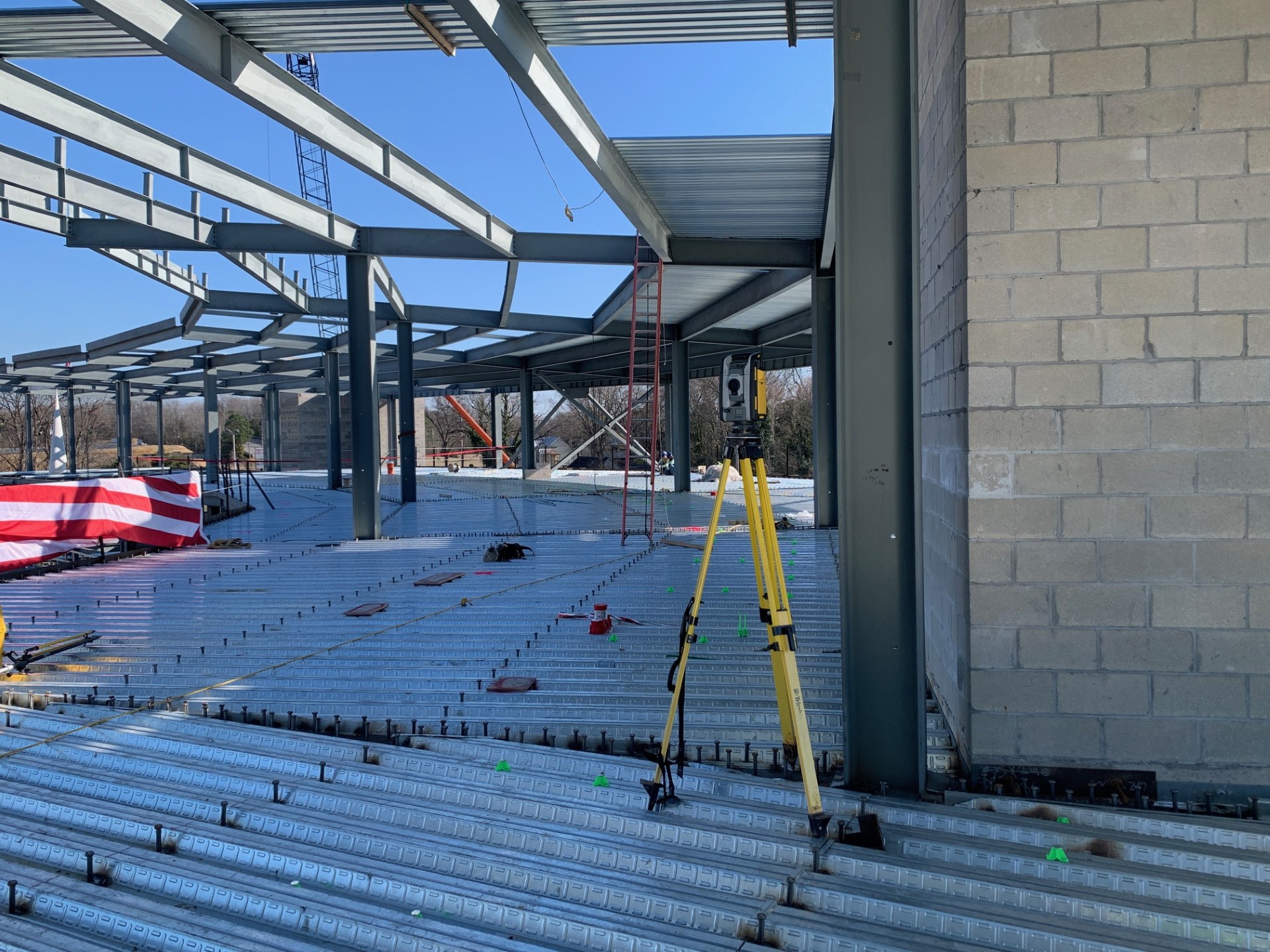
What should contractors recheck before crews rely on pre-shutdown control, marks, access routes, and exposed conditions?
Write the question beside the affected element, area, milestone, and downstream user. In this case, the scope must connect “pre-shutdown control record” with the decision about “whether control needs professional re-verification.” If a requested scan, model change, point file, meeting, or field visit does not help make that decision, it should be justified separately instead of quietly expanding this scope.
The boundary is especially important because crews restart from shifted references. CCLS can gather, organize, compare, coordinate, or transfer evidence within the approved service, while the project party holding design, survey, fabrication, installation, or contractual authority makes the governing decision. The final record should show that handoff rather than allowing technical output to imply an approval it does not contain.
Inputs to verify before work starts
For “How to Plan a Jobsite Restart After Severe Weather,” begin with the smallest complete input set. Every item should have an owner, revision, date, and intended use. If one item is missing, record the gap rather than allowing the team to assume it has been resolved.
- pre-shutdown control record. This establishes the decision trail. Record its owner, status, and supporting evidence before the next decision.
- storm or shutdown incident notes. This clarifies the field release. Record its owner, status, and supporting evidence before the next decision.
- changed access and ground conditions. This documents the responsible party. Record its owner, status, and supporting evidence before the next decision.
- open-work and temporary protection status. This connects the revision boundary. Record its owner, status, and supporting evidence before the next decision.
- current drawings and look-ahead plan. This protects the next coordination step. Record its owner, status, and supporting evidence before the next decision.
Review the inputs as one set. “storm or shutdown incident notes” can change the meaning of “changed access and ground conditions,” and the effect may not appear until the team reaches “open-work and temporary protection status.” The review should therefore record conflicts explicitly, identify the controlling party, and label any missing source instead of filling the gap with an unverified assumption.
Decisions the project team must assign
- whether control needs professional re-verification. This establishes the decision trail. Record its owner, status, and supporting evidence before the next decision.
- which marks may have been disturbed. This clarifies the field release. Record its owner, status, and supporting evidence before the next decision.
- what existing conditions changed. This documents the responsible party. Record its owner, status, and supporting evidence before the next decision.
- what work remains on hold. This connects the revision boundary. Record its owner, status, and supporting evidence before the next decision.
- who releases each affected area. This protects the next coordination step. Record its owner, status, and supporting evidence before the next decision.
Assign these decisions before pricing or mobilization. The answer to “which marks may have been disturbed” affects effort differently from “what work remains on hold.” Making that distinction lets CCLS connect mobilizations, model preparation, capture extent, coordination meetings, and delivery formats to defined outcomes rather than an open-ended request.

A practical workflow from question to release
- pre-shutdown control record. Begin by verify this input against the party responsible for whether control needs professional re-verification. Test the proposed approach where crews restart from shifted references could affect the next activity, then capture the outcome in the restart verification checklist. Keep the result tied to the current revision.
- storm or shutdown incident notes. Then, verify this input against the party responsible for which marks may have been disturbed. Test the proposed approach where water or cleanup removes marks could affect the next activity, then capture the outcome in the affected-area record. Record who made the decision and why.
- changed access and ground conditions. At the review gate, verify this input against the party responsible for what existing conditions changed. Test the proposed approach where stored material blocks control could affect the next activity, then capture the outcome in the control escalation request. Separate verified evidence from unresolved assumptions.
- open-work and temporary protection status. Before scale-up, verify this input against the party responsible for what work remains on hold. Test the proposed approach where schedule pressure bypasses verification could affect the next activity, then capture the outcome in the released-area log. Make the release boundary visible to the field team.
- current drawings and look-ahead plan. At the next milestone, verify this input against the party responsible for who releases each affected area. Test the proposed approach where crews restart from shifted references could affect the next activity, then capture the outcome in the restart verification checklist. Preserve enough context for the next reviewer.
The resulting hold points should name the affected element or zone, not freeze unrelated work by default. For this topic, the clearest hold is the one that prevents “water or cleanup removes marks” while the team completes the “affected-area record.” That keeps schedule pressure visible without converting an unresolved condition into an informal release.
Failure modes to catch before they reach the field
- crews restart from shifted references. This establishes the decision trail. Record its owner, status, and supporting evidence before the next decision.
- water or cleanup removes marks. This clarifies the field release. Record its owner, status, and supporting evidence before the next decision.
- stored material blocks control. This documents the responsible party. Record its owner, status, and supporting evidence before the next decision.
- schedule pressure bypasses verification. This connects the revision boundary. Record its owner, status, and supporting evidence before the next decision.
These failures share one pattern: the project advances because information looks complete even though authority or context is missing. For “How to Plan a Jobsite Restart After Severe Weather,” the preventive record is the “control escalation request.” It should name the source, revision, owner, date, limitation, and next decision so the condition remains visibly open until the right party resolves it.
Deliverables that create a usable record
- restart verification checklist. This establishes the decision trail. Record its owner, status, and supporting evidence before the next decision.
- affected-area record. This clarifies the field release. Record its owner, status, and supporting evidence before the next decision.
- control escalation request. This documents the responsible party. Record its owner, status, and supporting evidence before the next decision.
- released-area log. This connects the revision boundary. Record its owner, status, and supporting evidence before the next decision.
The “restart verification checklist” and “released-area log” serve different readers, so both native and human-readable forms may be useful. Each should distinguish observation from approval, show superseded information, and state whether the contents represent proposed geometry, released layout data, verified existing conditions, or closeout evidence.
Southeast project context and timing
CCLS works across a broad Southeast service area rather than one interchangeable city market. For this article, geography matters only when it changes “changed access and ground conditions,” “stored material blocks control,” access, travel, weather exposure, building type, or project phase. Without that verified connection, the guidance stays regional instead of becoming a city-swapped copy.
This article is proposed for early October because NOAA’s National Hurricane Center identifies June 1 through November 30 as the Atlantic season, with climatological activity concentrated in late summer and early fall. This is contingency planning, not a project forecast. Coastal Southeast teams should preserve control records and define a restart check before schedule pressure returns.
For “How to Plan a Jobsite Restart After Severe Weather,” the useful planning window is the next release or field milestone, not a generic calendar date. Work backward from what existing conditions changed and leave time for input review, exceptions, and an independent check.
Scope-review questions for this decision
What evidence would change the next decision?
Start with “What should contractors recheck before crews rely on pre-shutdown control, marks, access routes, and exposed conditions?” and identify the smallest evidence set that could answer it. If “current drawings and look-ahead plan” is unavailable, the team should decide whether to obtain it, narrow the scope, or keep the affected work on hold. Collecting more data without a decision rule usually creates review work rather than certainty.
Who can accept the remaining exception?
The owner of “who releases each affected area” should be named before the exception appears. CCLS can document the condition and provide the agreed technical output, but the project authority must accept, reject, redesign, or otherwise resolve the exception. That boundary should appear in the released-area log.
When should the team ask CCLS to help?
For the decision about “whether control needs professional re-verification,” engage CCLS when the current evidence, milestone, and exception authority are identifiable. That context helps determine whether Construction Layout Services, another CCLS service, or a staged combination of verification, coordination, and field execution is appropriate.
Next step
Use “pre-shutdown control record,” “whether control needs professional re-verification,” “crews restart from shifted references,” and “restart verification checklist” as the first four lines of a project-specific checklist. Mark each line verified, assumed, or waiting on authority. Then contact CCLS for a project consultation with the relevant drawings, model information, schedule, access conditions, and decision deadline. The objective is a traceable project plan without expanding the scope beyond verified facts.