
VDC Construction Consulting in Greenville, SC
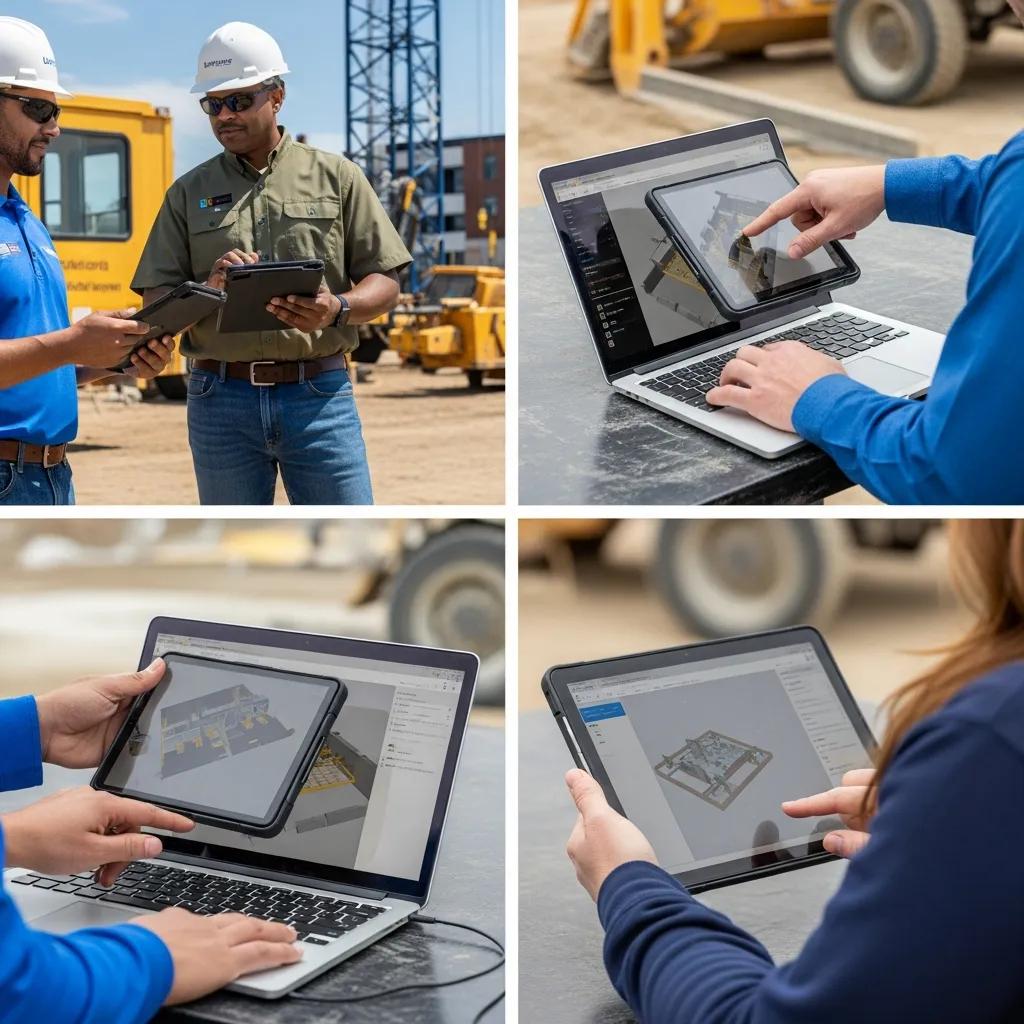
VDC Construction Consulting in Greenville, SC — Optimize Your Projects with Practical Digital Workflows Virtual Design and Construction (VDC) brings coordinated digital workflows, model-driven planning, and model-to-field execution together to cut errors, speed schedules, and raise installation quality on Greenville projects. This piece explains how VDC ties BIM, 3D laser scanning, clash detection, 4D sequencing, and accurate field layout into measurable time and cost savings for owners, contractors, and design teams. You’ll see why VDC matters locally in Greenville, how tailored VDC scopes are defined and delivered, which technologies deliver near–millimeter accuracy, and which sectors gain the most. Along the way we include practical process steps, sample deliverables, and concise answers to common questions so decision-makers can evaluate a VDC plan with confidence. References to local capability and execution patterns highlight how South Carolina teams can optimize construction digital workflows while keeping technical guidance front and center. Read on for actionable checklists, service comparisons, and step‑by‑step guidance that tie VDC outcomes to metrics like reduced RFIs, fewer change orders, and verified on‑site results. Why Choose VDC Consulting Services in Greenville, SC? VDC in Greenville takes a systems view of construction by combining coordinated models, defined workflows, and field‑grade layout to prevent downstream errors and improve predictability. The idea is straightforward: federated models reveal clashes and sequencing conflicts early, and model‑driven layout plus reality capture confirm conditions before installation — which directly reduces change orders and stabilizes schedules. For local owners and contractors that means greater confidence on MEP‑dense projects and smoother alignment between designers, fabricators, and field crews. Below we outline the specific VDC mechanisms and why they matter for Greenville work. VDC reduces costly rework by finding spatial conflicts in the model and enabling prefabrication planning before components arrive on site. Regular clash detection and as‑built validation with point clouds help teams avoid installation surprises and tighten fabrication tolerances. That proactive effort converts modeling time into tangible schedule and cost savings — especially valuable on urban infill and renovation projects where access and tolerances are tight. Next, we explain how these error‑reduction practices also improve collaboration across the project team. VDC improves collaboration by creating a single source of truth through federated models and shared coordination platforms, which minimizes misinterpretation between architects, engineers, and trades. Regular coordination cadences, cloud model reviews, and visual clash walkthroughs speed decisions and keep changes traceable. That shared context shortens resolution cycles, streamlines procurement for prefabrication, and aligns schedules across disciplines — supporting leaner execution on site. We’ll also note the local provider credibility that backs these claims. Conway Coordination and Layout Services (CCLS) is a family‑owned firm led by Nathan Conway that delivers VDC consulting and precision field layout across the Southeast, including South Carolina. CCLS focuses on measurable precision using tools like Trimble Robotic Total Stations and 3D laser scanning, and applies proven VDC workflows to connect BIM coordination with reliable field execution. That local experience is why Greenville teams can trust VDC to turn model accuracy into on‑site certainty. The core VDC advantages for Greenville projects are clear: Less rework and fewer RFIs through systematic clash detection and model validation. Faster decision cycles and cleaner handoffs via a federated model and steady coordination cadence. Millimeter‑level layout and verification using robotic total station integrations. These benefits set up a closer look at the specific services that produce VDC outcomes and how a custom strategy is developed. How Does VDC Eliminate Costly Construction Errors? VDC prevents costly errors by detecting spatial and schedule conflicts in coordinated digital models before fabrication or field installation. Automated clash detection finds interferences across MEP, structural, and architectural systems; manual validation and prioritization then sort true constructability risks from false positives. Paired with scan‑to‑BIM verification, teams confirm existing site conditions and reduce surprises on renovations or retrofits. That workflow lowers RFIs and change orders and supports model‑based prefabrication that reduces onsite labor and corrective work. With coordination focused on prevention, teams spend less time firefighting and more time resolving issues before they affect the schedule. The next section shows how these prevention steps make stakeholder collaboration faster and more predictable in practice. In What Ways Does VDC Enhance Collaboration Among Project Stakeholders? VDC improves collaboration by using a federated model as the single, shared source of truth for architects, engineers, contractors, and owners. Centralized coordination platforms and scheduled review cycles — typically weekly — let teams walk through clashes visually, assign responsibility, and track progress to closure. Visual model review reduces reliance on 2D interpretation and speeds agreement on sequencing and prefabrication needs. Clear model deliverables, like clash reports and updated shop drawings, keep stakeholders aligned and speed procurement and installation timelines. Those collaborative routines increase transparency and accountability, which supports better schedule predictability and fewer surprises in the field. The next major section lists the services that deliver these collaborative and technical advantages. What Comprehensive VDC Consulting Services Does CCLS Offer? Our VDC services combine strategy, BIM modeling and coordination, reality capture, clash management, and precision field layout to create an auditable path from model to installation. Below we describe the core service areas, their deliverables, and the client outcomes they produce so decision‑makers can choose the right mix for Greenville projects. The following table maps services to key deliverables and outcomes. CCLS tailors services to project scale and complexity, emphasizing measurable deliverables and reliable toolchains: Custom VDC Strategy Development: Needs assessment, workflow design, and an implementation roadmap that aligns BIM deliverables with project KPIs and field requirements. BIM Modeling and Coordination: Discipline authoring, model federation, and regular coordination cycles for MEP, structural, and architectural systems. 3D Laser Scanning and Reality Capture (Scan-to-BIM): Point cloud capture and processing to validate as‑built conditions and support renovation, prefab, and tolerance checks. Clash Detection and Risk Assessment: Automated clash runs, prioritization, and mitigation plans that feed procurement and prefabrication decisions. Trimble‑Powered Field Layout and Verification: Robotic total station layout, QA passes, and model‑to‑field checks for millimeter‑level installation accuracy. These service areas form a cohesive VDC program that ties digital
Architectural Layout Precision for Complex Designs
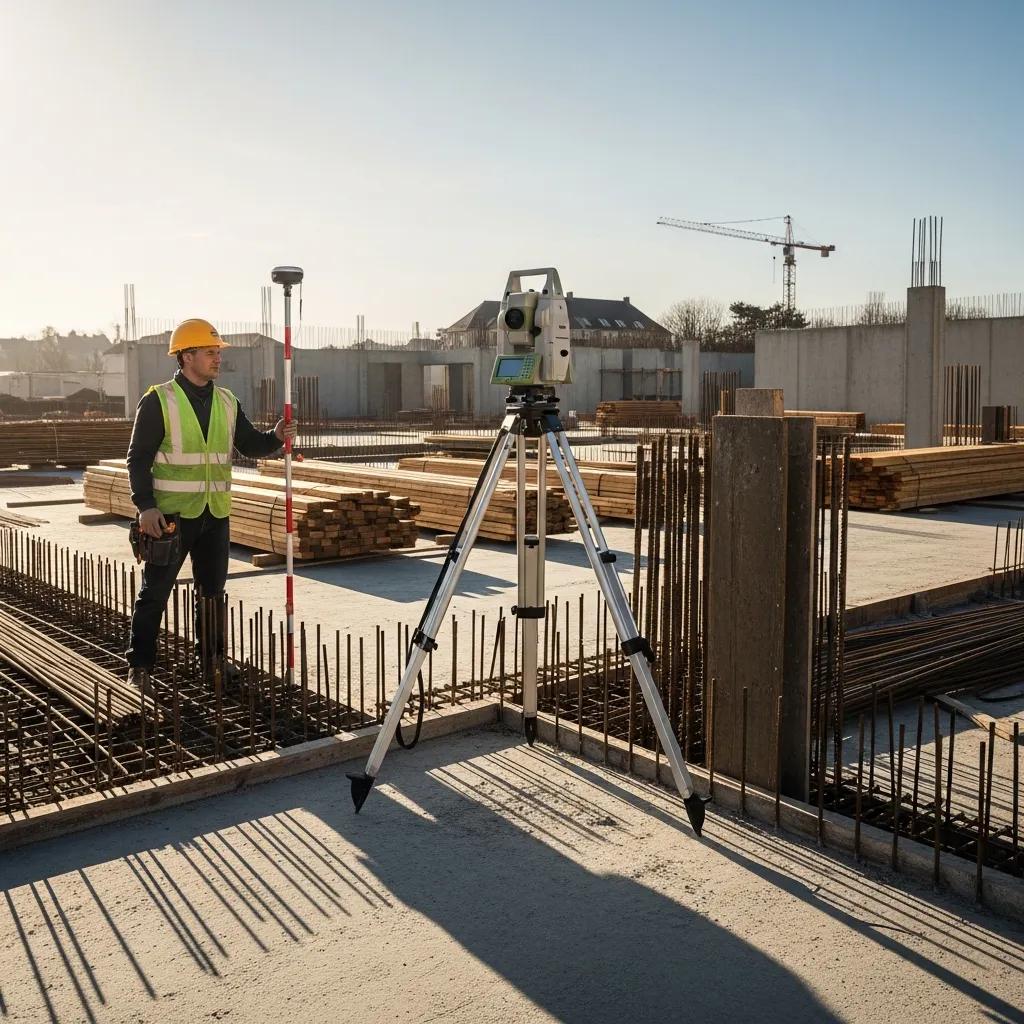
Precision Architectural Layout for Complex Projects — Expert Construction Layout Services & Technologies Architectural layout precision is the deliberate process of placing building elements to exact coordinates so design intent becomes predictable, buildable reality. We combine advanced surveying instruments, model-driven coordination, and clear verification deliverables to cut rework, shorten schedules, and protect operational tolerances on sensitive projects. Read on to see how Robotic Total Station workflows, BIM coordination, VDC consulting, and 3D scanning work together to deliver millimeter-level placement for interior layouts, facade alignment, and MEP systems. This article explains device capabilities, digital-to-field handoffs, risk-reduction strategies, and sector-specific requirements for healthcare, industrial, and commercial work. It also maps measurable outcomes—accuracy tolerances, clash avoidance, and fabrication readiness—and shows where specialist providers add value for complex designs. If you manage precision construction surveying or installation, the sections that follow give practical workflows, decision checklists, and side-by-side comparisons to guide specification, verification, and partner selection. If you’d like a focused conversation about applying these methods to your project, request a precision layout review with Conway Coordination and Layout Services (CCLS). This short review connects your project needs to targeted services—Robotic Total Station Layout, BIM modeling and coordination, or verification workflows—without requiring design changes up front. We begin with the core field technology that enforces coordinate-level precision: Robotic Total Stations and their operational role on complex jobs. How does Robotic Total Station layout sharpen architectural accuracy? Robotic Total Station layout uses a motorized total station to locate and stake coordinates directly from digital models, enabling placement accuracy down to millimeter tolerances. The system pairs precise angle and distance measurements with automated stakeout and verification routines, producing repeatable results with a single operator and removing common transcription errors. Primary benefits include tighter positional control for anchor bolts and facade control points, faster stakeout cycles for interiors, and verifiable logs that support QA/QC sign-offs. That combination makes robotic layout ideal where tight tolerances and cumulative-error sensitivity matter—multi-floor MEP hangers and facade alignment, for example. The following paragraphs break down device roles, operational metrics, and a concise deliverables comparison to help owners and contractors set realistic performance expectations. Typical Robotic Total Station deliverables include stakeout reports, verification point logs, and annotated as-built coordinates tied to model geometry. The comparison below helps teams weigh the trade-offs between speed, accuracy, and manpower. Different layout deliverables map to distinct accuracy and operational expectations. Deliverable Characteristic Typical Metric MEP layout points Positional accuracy ±5–15 mm Anchor bolt verification Tolerance reporting ±3–10 mm Overhead hanger layouts Vertical/alignment control ±5 mm vertical repeatability This table shows how deliverables translate into measurable tolerances and helps define acceptance criteria. The next subsection describes the Trimble Robotic Total Station and why it is widely used for these tasks. What role does the Trimble Robotic Total Station play in precision layout? The Trimble Robotic Total Station delivers automated angle and distance measurement with integrated field software, enabling single-operator stakeout from BIM-derived coordinate sets. Device capabilities include automated tracking, remote targeting, and high-resolution encoders that achieve millimeter-level tolerances when properly calibrated and tied to control. Typical Trimble workflows pair the instrument with model exports and verification routines that log measured versus as-designed positions, creating traceable QA artifacts. Alt text recommendation: “Trimble robotic total station set on tripod for model-driven stakeout.” Knowing the Trimble’s precision and repeatability helps teams write meaningful tolerances into contracts and acceptance checklists, which leads into how robotic layout reduces errors and improves efficiency. How does robotic layout reduce errors and speed work on complex projects? Robotic layout eliminates many manual measurement handoffs by using direct coordinate inputs from the model, removing a common source of transcription mistakes between design and field teams. Key mechanisms include automated stakeout, immediate verification logging, and repeatable retrieval of control points that ensure consistent placement across trades and floors. Efficiency gains come from single-operator workflows, shorter setup times versus multi-person survey crews, and faster rework verification—translating into fewer labor hours per area. Many projects quantify reduced rework and faster milestone handoffs when coordinate-driven staking is enforced. Those efficiencies also create clearer feedback loops for model updates and fabrication readiness, which we explore next through BIM coordination and clash avoidance. What advantages does BIM coordination bring to complex architectural work? BIM coordination integrates discipline-specific models into a shared environment to find clashes, align system routing, and produce fabrication-ready geometry that respects field constraints and layout tolerances. The process centers on model federation, automated clash detection, and structured coordination meetings that turn model issues into tracked resolutions. Benefits include fewer in-field clashes, greater confidence in prefabrication, and the ability to generate digital twins for long-term asset management. These outcomes reduce schedule risk and lower downstream change orders by catching conflicts before installation. The next paragraphs explain clash workflows, the path to fabrication-ready models, and a short case snapshot that demonstrates measurable rework avoidance from BIM coordination. BIM coordination workflows typically produce clash reports and issue-resolution logs that translate into hours saved on-site and percent reductions in rework. The table below maps common BIM deliverables to expected project outcomes so teams can prioritize coordination effort. BIM Deliverable Attribute Outcome Clash detection report Issues identified Up to 70% of constructability issues caught pre-installation Federated coordination model Integrated geometry Enables prefabrication and reduced shop adjustments Issue tracker with resolutions Action items closed Shortens RFIs and reduces on-site change orders Use this mapping to write coordination deliverables and acceptance criteria into specifications. The next subsection explains how clash detection is executed and tracked in practice. How does BIM coordination enable practical clash detection and resolution? Clash detection uses rule-based tools to compare geometry from architectural, structural, and MEP models and flag spatial conflicts that breach clearance or routing rules. The workflow begins with model federation, proceeds with automated clash runs, and includes manual review to prioritize issues by severity and constructability impact. Resolution cycles live in issue trackers that assign responsibility, record design changes, and close items once verification is complete—creating auditable records for the project team. Common outcome metrics include the number of
Education Campus Layout & Coordination in Virginia Beach, VA

Campus Layout & Coordination in Virginia Beach, VA: Precision VDC, BIM, and Field Layout for School Construction Construction work on Virginia Beach education campuses needs tightly coordinated design, accurate field layout, and disciplined schedule control so classes and campus operations aren’t disrupted. This article shows how Virtual Design and Construction (VDC), Building Information Modeling (BIM), and precision layout tools combine to reduce mistakes, shorten schedules, and produce reliable as-built records for K–12 and higher education projects. You’ll get clear VDC and BIM workflows, an explanation of how robotic total stations and 3D scanning move model data into the field, and guidance on which project types see the biggest gains. We also map common campus challenges — phased occupancy, dense MEP in labs, acoustics in auditoria, and athletic-facility sequencing — to practical technical responses and decision checkpoints. Finally, we explain how a specialist coordination provider can support assessments, field verification, and handover deliverables that feed facilities management and long‑term campus planning. How does Virtual Design and Construction enhance education campus projects in Virginia Beach? Virtual Design and Construction (VDC) is a structured workflow that links federated models, 4D schedule simulations, and field layout so teams can spot constructability issues before crews arrive. By pairing model-based coordination with sequencing and prefabrication planning, VDC reduces onsite rework and aligns trade activities around phased-occupancy constraints — delivering measurable schedule and budget improvements. VDC is especially helpful on active campuses where classes continue during construction and where MEP, AV, and structural interfaces must come together with minimal downtime. The summary below highlights VDC’s core operational benefits for campus projects and how those gains are realized through integrated workflows. Primary operational benefits VDC delivers on campus construction: Fewer clashes before installation: Coordinated models and clash reports stop conflicting MEP and structural work from reaching the field. Controlled phasing and sequencing: 4D simulations synchronize trades for phased occupancy and weekend or after‑hours work. Better cost and schedule predictability: Model-driven quantities and prefabrication lower change orders and mitigate supply delays. These advantages support complex campus systems and lead directly to how specific use cases — labs, auditoria, and dormitories — achieve measurable improvements in safety, uptime, and constructability. What are the benefits of VDC for K-12 and higher education facilities? On educational projects, VDC improves safety during renovations, creates predictable timelines for semester-driven turnovers, and tightens coordination for specialty systems like lab utilities and auditorium AV. Federated models let architects, engineers, and contractors see how HVAC, ceiling‑mounted AV, and lab casework interact, which reduces RFIs and shortens on-site coordination time. Prefabrication planning for classroom finishes and IT routing shrinks disruptive work windows and protects occupied spaces. The net result is fewer unexpected shutdowns, clearer procurement timing, and a stronger operational baseline for facilities teams after turnover. Those campus-specific benefits naturally lead to the next VDC advantage: compressing schedules and improving budget adherence through model-led sequencing. How does VDC improve project scheduling and budget adherence? VDC tightens schedules and budgets by combining 4D sequencing with model-driven quantity takeoffs and coordinated procurement for prefabrication. A 4D model links model elements to construction activities so teams can visualize trade interfaces, planned outages, and shifts to the critical path — reducing on‑site conflict windows and often shortening the critical path itself. Model-based quantities support earlier, more accurate cost estimates, cutting contingency volatility and enabling just‑in‑time deliveries for prefabricated assemblies. On campuses, this translates to fewer late RFIs, less overtime during semester turnovers, and better alignment of crews in high-density MEP areas. Those outcomes rely on precise field layout and verification, which makes accurate transfer of model coordinates to site control essential. What role does Building Information Modeling play in Virginia Beach school construction coordination? Building Information Modeling (BIM) is the coordination hub that holds federated discipline models, clash records, and asset metadata for facilities management. BIM supports structured clash-detection workflows, visual issue assignment, and consolidated deliverables like coordinated drawings, clash reports, and O&M-ready model exports. When BIM is tied to schedule and procurement data, it becomes a practical decision-support tool for phased campus projects and long-term capital planning. The table below compares common BIM deliverables, their purpose, and the direct value they provide during school construction and FM handover. Deliverable Purpose Value Clash detection reports Identify spatial conflicts across trades Reduce rework and cut RFIs during installation Federated coordination model Merge architecture, structure, and MEP models Simplify coordination meetings and speed decisions As-built BIM / asset tagging Record final equipment locations and attributes Enable CMMS integration and lifecycle planning This comparison shows how BIM outputs lower constructability risk and create a usable dataset for campus facilities teams, leading into typical clash-detection workflows used on education projects. How does BIM facilitate clash detection and design coordination for educational buildings? BIM-driven clash detection follows a detect→assign→resolve→verify lifecycle that shortens coordination cycles and clarifies accountability. Federated models are exported to clash engines where conflicts are categorized by severity, assigned to responsible parties, and tracked through resolution with versioned verification steps. Visual coordination meetings use the federated model to surface high‑risk clashes — for example, lab MEP routing through ceiling plenums — and to decide on reroutes, sleeves, or prefabrication workarounds. This structured process cuts field changes, speeds approvals from facilities groups, and ensures complex integrations are tested virtually before installation. In what ways does BIM support campus master planning and facility management? BIM supports campus master planning and facilities management by delivering accurate as-built models, tagged assets, and datasets that feed maintenance and capital-planning systems. Model attributes — serial numbers, maintenance intervals, warranty dates — can be mapped to CMMS fields so facilities staff have searchable, actionable information at turnover. BIM also enables scenario planning for phased expansions, letting planners test circulation, service corridors, and future utility demands against existing geometry. Integrating point-cloud-verified as-builts with BIM ensures master plans and FM records reflect real conditions, reducing uncertainty for future work. How does precision layout technology support education campus construction in Virginia Beach? Precision layout tech — Robotic Total Stations, GNSS control, layout tablets, and
Seamless Point Cloud to BIM Model Conversion

Seamless Point Cloud to BIM Model Conversion Services: Precision and Efficiency for Construction Projects Turning dense 3D scans into usable BIM is what bridges the field and the model. This guide explains how reality-capture tools — 3D laser scanning and LiDAR — feed into Autodesk Revit and other BIM platforms to produce reliable as-built models for coordination, clash detection, and facilities handover. You’ll get a clear view of what point cloud data contains, the technical steps in a typical scan-to-BIM workflow, practical tools and QA practices, and industry applications from healthcare to historic preservation. We also cover common pitfalls — noise, coordinate mismatches, and LOD decisions — and pragmatic ways to protect accuracy. Finally, we summarize service options and what to look for when choosing a provider that can deliver fabrication-ready and integration-ready models. Keywords such as point cloud to BIM, 3D scan to model, scan to BIM process, and Revit point cloud modeling are used throughout to connect guidance with real project needs. What is Point Cloud to BIM Conversion and Why is it Essential? Point cloud to BIM conversion turns raw spatial captures — millions of XYZ points from laser scanners or LiDAR — into structured Building Information Models with geometry, metadata, and an agreed Level of Detail (LOD). The process registers multiple scans to a control system, filters noise, classifies surfaces, and models elements in BIM software so they reflect true as-built conditions. Delivered correctly, as-built BIM reduces field surprises, supports clash detection, and becomes a reliable digital twin for operations. In short, point cloud to BIM closes the loop between reality capture and digital construction, enabling precise coordination and measurement-driven decisions both on site and during preconstruction. How Does Point Cloud Data Represent As-Built Conditions? Point clouds represent as-built conditions as discrete X, Y, Z points, often with intensity or color values that hint at material and surface texture. Fidelity depends on point density and scanner accuracy: high density captures thin MEP runs and fine architectural detail; lower density still captures bulk geometry like slabs and structure. Common exchange formats include LAS, E57, and software-specific bundles such as RCP/RCS for ReCap workflows. Consistent coordinate control — tied to survey targets or total station references — is essential to place models correctly. Knowing how density, coordinate systems, and metadata affect modeling fidelity is key when you define LOD and tolerances for as-built deliverables. What are the Key Benefits of Converting Point Clouds into BIM Models? Converting point clouds into BIM turns raw reality capture into usable digital assets that drive measurable value across design, construction, and operations. Improved Accuracy and Reduced Rework: As-built BIM verifies component locations before fabrication, cutting dimensional errors and onsite misfits. Faster Coordination and Clash Detection: Scan-derived models speed interdisciplinary coordination, reduce RFIs, and shorten resolution cycles. Better Documentation for Facility Management: Models include metadata and LOD that support maintenance planning and asset tracking throughout a building’s life. Cost and Time Savings: Early conflict detection and verified dimensions lower change-order costs and help keep schedules on track. Enables Digital Twin and Renovation Planning: High-fidelity models form the baseline for future retrofits, performance monitoring, and digital-twin initiatives. The table below maps these benefits to practical outcomes so project teams can prioritize what matters most for their scope. Benefit Category Key Attribute Typical Outcome Accuracy Dimensional verification against survey control Reduced field rework and fewer RFIs Coordination Clash detection readiness Faster coordination cycles and reduced delays Documentation LOD and metadata inclusion Improved FM handover and asset management Cost/time Early conflict identification Lower change-order costs and shorter schedules Future-use Digital twin enablement Easier retrofits and performance monitoring This comparison highlights how converting point clouds into BIM delivers concrete time and cost benefits and clarifies decisions when selecting a scan-to-BIM workflow and provider. For teams that need precise capture and efficient model delivery, Conway Coordination and Layout Services (CCLS) centers its capabilities on survey-grade capture, VDC-oriented workflows, and hands-on coordination. We emphasize precision instruments and processes designed to shorten coordination cycles and protect project schedules; contact us for a consultation to align scope and deliverable expectations. How Does the Scan to BIM Workflow Ensure Accuracy and Efficiency? A disciplined scan-to-BIM workflow follows repeatable stages — capture, registration, cleanup/classification, modeling to LOD, QA/QC, and deliverable handoff — to protect accuracy and accelerate downstream use of the model. Each stage uses specific tools and validation checks so teams can predict quality and integrate models into coordination workflows. Tight QA checkpoints at registration and modeling prevent drift from survey control; automation speeds classification, while human review resolves complex MEP and architectural conditions. Below is a concise, step-by-step summary of the typical scan to BIM workflow: Data acquisition and control: Establish coordinate control, place targets, and acquire overlapping scans at the right density. Registration and alignment: Use target-based or cloud-to-cloud registration to assemble a unified point cloud within verified tolerances. Cleanup and classification: Filter noise, classify surfaces, and segment entities to streamline modeling. BIM modeling to specified LOD: Convert classified geometry into parametric Revit families or modeled solids at the agreed LOD. QA/QC and deliverables: Validate the model against the point cloud and survey measurements, then produce coordinated delivery packages for handoff. This structured approach makes the reality-capture workflow auditable, predictable, and easier to integrate with downstream construction processes. Stage Tools / QA Methods Expected Outcome Capture Terrestrial LiDAR, mobile LiDAR, survey targets High-density as-built point cloud with control Registration Cyclone/ReCap algorithms, control checks Aligned unified point cloud within tolerance Cleanup Classification tools, manual editing Filtered dataset ready for modeling Modeling Revit, Navisworks, scripting tools Parametric BIM at specified LOD QA/Handoff Spatial comparison, coordinate checks Verified deliverables and handoff package The table ties each workflow stage to the tools and outcomes you should expect, clarifying choices about tolerances and deliverable scope. In practice, combining automated classification with manual verification produces both accuracy and efficiency when converting point clouds to BIM. Which Specialized Point Cloud to BIM Services Does CCLS Offer? Conway Coordination and Layout Services delivers a full suite of
Advanced Clash Detection & Resolution in VDC
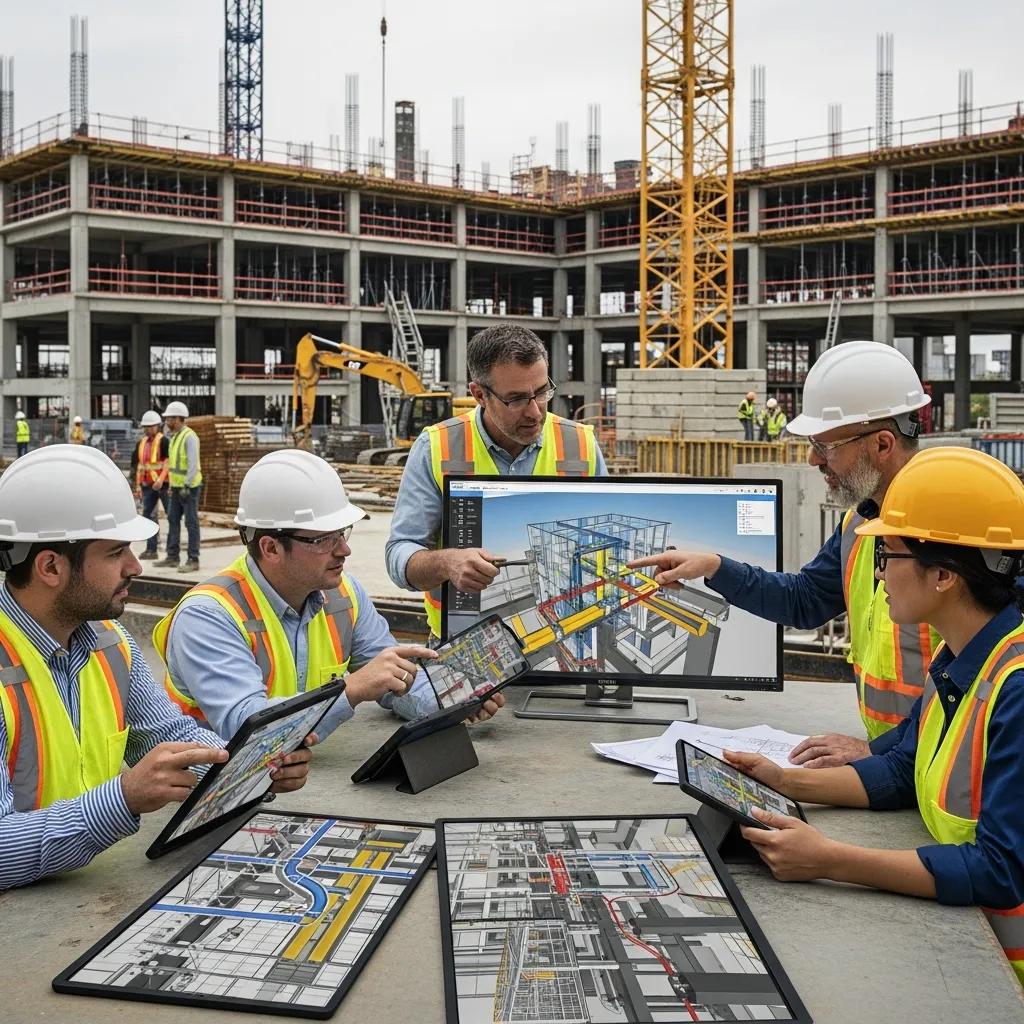
Advanced Clash Detection & Resolution in VDC: Expert BIM Coordination to Prevent Construction Conflicts Advanced clash detection in Virtual Design and Construction (VDC) is a disciplined process that finds and manages model interferences before they become field problems. By federating discipline models, running automated rulesets, and triaging issues by impact, teams turn geometric conflicts into clear, assigned actions. This guide walks through federated workflows, automated reporting, and field-verified layout so design intent translates into predictable installation. You’ll get practical Navisworks workflows, discipline-specific strategies for MEP and structural coordination, and a step-by-step clash resolution method used in professional VDC practice. We also cover complementary verification tools—3D scanning, point clouds, and robotic total stations—and show how Conway Coordination and Layout Services (CCLS) bundles these methods into VDC Consulting and Construction Services that deliver precision, schedule certainty, and measurable outcomes. What is Advanced Clash Detection in Virtual Design and Construction? Advanced clash detection in VDC identifies, categorizes, and prioritizes geometric and operational conflicts across federated discipline models so teams can resolve issues early and protect the construction schedule. The workflow ingests Revit and other discipline models into a single federated model, applies rules and tolerance checks, and runs scheduled clash executions that produce exportable reports for assignment. The predictable outcome: fewer surprises on site, clearer coordination responsibilities, and better sequencing for procurement and install. Knowing how and when you check models — and how you aggregate results — is key to efficient resolution and accurate field layout. Unlike simple clearance checks, advanced detection adds time (4D), cost (5D), and workflow context to address not only physical collisions but also sequencing and access conflicts. This multi-dimensional approach uses spatial checks, operational clearance rules, and schedule-aware collision logic to reduce false positives and focus stakeholders on the issues that matter most. The next section explains how early clash identification converts directly into avoided rework and lowered project costs. How does clash detection prevent costly construction rework? Clash detection prevents rework by converting model conflicts into assigned, prioritized actions before crews arrive on site. The process typically follows a reliable path: federation and clash execution → automated reporting and grouping → assignment in a coordination log → design or routing corrections → verification in the federated model and, where needed, field validation. That sequence interrupts the usual reactive loop of discovering conflicts in the field, issuing an RFI, and processing a change order — preserving critical-path activities in the process. By enforcing a verification loop — update the model, re-run clashes, and obtain final sign-off — teams lock down constructible geometry and cut downstream RFIs and change orders. A regular coordination cadence builds accountability among discipline leads and creates a documented trail for cost and schedule reviews. Smart aggregation and prioritization ensure the highest-risk clashes are resolved first, which reduces site crew workload and minimizes unexpected delays. What are the key types of clashes in BIM models? Clashes in BIM models typically fall into three groups: hard clashes, soft clashes, and workflow (sequence) clashes — each demands a different response. Hard clashes are direct physical interferences where two elements occupy the same space, for example a duct intersecting a beam flange. Soft clashes are clearance or operational issues where minimum access or code clearances aren’t met, like limited space around an access panel. Workflow clashes happen when installation sequencing or temporary site conditions conflict with the planned work, such as scheduling equipment before its supporting structure is in place. Classifying clashes up front reduces false positives and points teams to the right fixes: hard clashes usually need geometric reroutes; soft clashes require clearance checks or spec changes; and workflow clashes call for schedule reshuffling or temporary access plans. Clear classification in the clash report speeds resolution and improves field readiness. How Does CCLS Implement VDC Clash Detection Best Practices? At CCLS we combine disciplined model federation, tuned rulesets, prioritized aggregation, and verified field layout to produce constructible models ready for execution. Our approach begins with structured model intake and QA to ensure consistent naming, Level of Development targets, and clean geometry before federation. Automated clash runs are scheduled and grouped to reduce noise, and the resulting issue lists are exported into a coordination log for assignment and tracking. We finish with field verification — 3D scanning and precision layout — to confirm model-to-site alignment and close the loop between BIM coordination and installation. The process depends on defined roles — model managers, clash coordinators, and discipline leads — and recurring coordination sessions to keep progress visible and accountable. CCLS delivers clear outputs such as aggregated clash reports, viewpoint exports, and verified layout points to support field teams. The table below breaks the workflow into phases with the expected outputs and tools used. Phase Tool / Output Expected Deliverable Model Intake & QA Revit / model checklist Clean discipline models with consistent naming and LOD Federation & Ruleset Setup Navisworks / clash detective rules Federated model and configured clash rulesets Clash Execution & Aggregation Navisworks / automated reports Grouped clash list with priorities and viewpoints Coordination & Assignment Issue tracker / meeting minutes Assigned actions with owners and due dates Verification & Layout 3D scanning, Trimble Robotic Total Station Field-verified coordinates and updated models What is the step-by-step clash detection and resolution process at CCLS? Model Receipt and QA: We receive discipline models, run naming and LOD checks, and correct geometry issues. Output: validated discipline models ready for federation. Federation & Ruleset Definition: Models are combined in Navisworks and clash tolerances and rules are set to match project requirements. Output: a configured clash detection environment. Clash Execution & Aggregation: Automated clash checks are run, results are grouped and prioritized to highlight high-impact issues. Output: an aggregated clash list with viewpoints. Coordination Meeting & Assignment: We facilitate technical sessions to assign remediation tasks and record decisions. Output: assigned action items and revised models. Verification & Sign-off: After model updates we re-run clashes and verify key coordinates on site using 3D scanning or a Robotic Total Station before
BIM Model Optimization Consulting in Charleston, SC
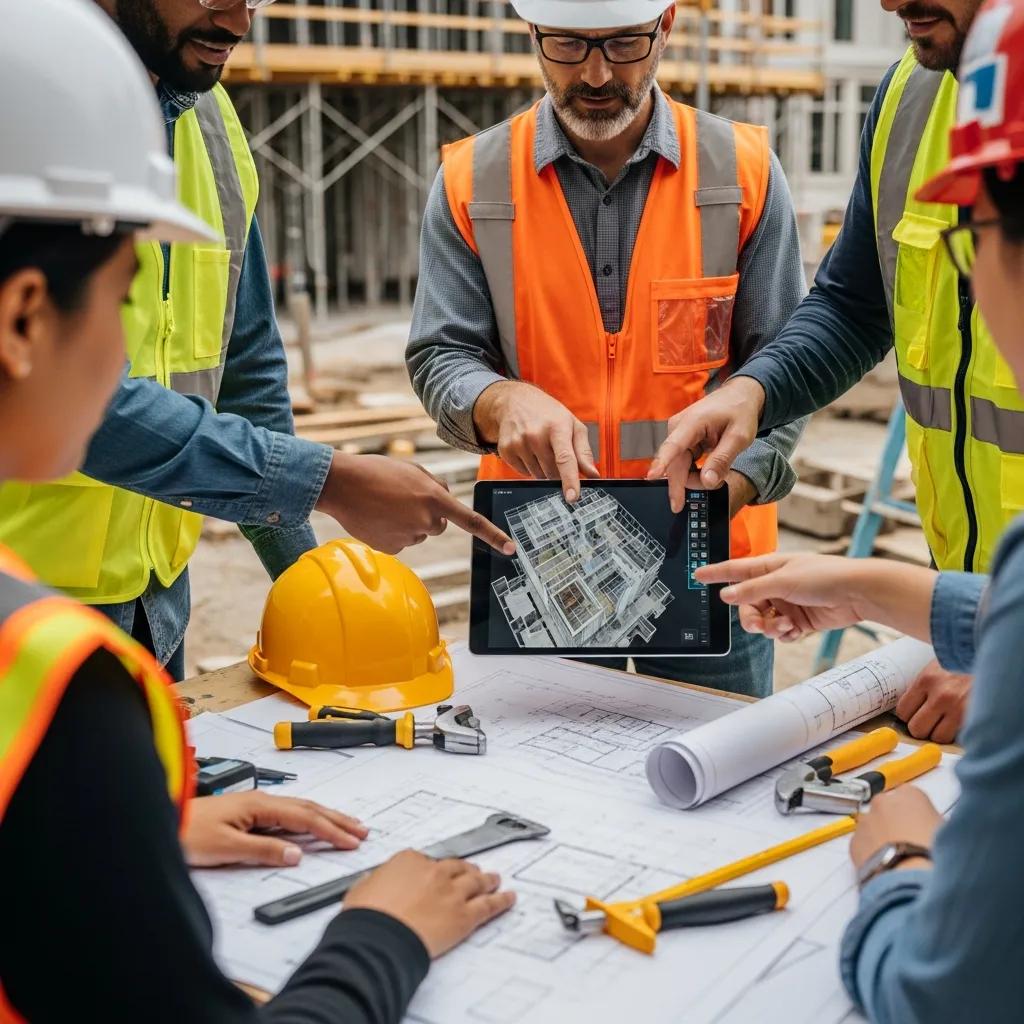
BIM Model Optimization Consulting in Charleston, SC — Improve Construction Efficiency & Accuracy with CCLS BIM model optimization cuts waste, prevents costly field rework, and makes project delivery more predictable by shaping models into buildable, validated information crews can trust. Below we explain what BIM model optimization is, why it’s especially important for Charleston projects that face historic‑and coastal constraints, and how tactics like clash detection, data validation, Revit tuning, and scan‑to‑BIM create measurable savings in cost, schedule, and accuracy. You’ll find practical workflows, validation checkpoints, and the key tools—Revit, Navisworks, and point‑cloud processes—that support reliable BIM outputs and digital twin goals. Conway Coordination and Layout Services (CCLS) provides local BIM consulting, VDC coordination, and precision layout in Charleston; request a consultation by calling +18432834618 to discuss scope and next steps. The sections that follow define core concepts and benefits, outline CCLS services, cover advanced clash and Revit performance strategies, explain scan‑to‑BIM workflows for as‑built documentation, describe why CCLS is a strong local partner, and share a focused case study on the Roper Project in Charleston. What is BIM Model Optimization and Why is it Crucial for Charleston Construction Projects? BIM model optimization is the disciplined process of cleaning, validating, and structuring building models so they support planning, prefabrication, and field layout with no ambiguity. It covers consistent naming and parameters, clear LOD expectations, multi‑trade clash detection, and performance tuning so downstream tools and crews can rely on the digital twin. In Charleston—where renovations, historic preservation, tight MEPF routing, and coastal durability requirements add complexity—an optimized model reduces uncertainty and cuts costly site fixes. Industry experience shows better coordinated models produce fewer RFIs and less rework, speed approvals, and improve safety in the field. Grasping these fundamentals helps teams implement targeted optimization steps that align models with construction intent and local constraints. How Does BIM Optimization Improve Project Efficiency and Reduce Costs? BIM optimization drives efficiency by catching coordination issues early with automated clash detection and by enforcing an LOD that matches procurement and prefabrication needs. When clashes and fabrication conflicts are resolved in the model, crews spend less time troubleshooting in the field—reducing labor hours and schedule risk. Typical outcomes include fewer RFIs and change orders and measurable time savings during installation and inspections. For example, coordinated models that enable off‑site prefabrication often shorten installation hours and accelerate critical‑path trades. Those gains compound on repeatable systems or modular components, producing sustained ROI over the life of the asset. What Role Does Data Integrity Play in Effective BIM Models? Data integrity means model elements carry correct, consistent attributes—naming conventions, shared parameters, asset IDs, and LOD—so teams can rely on quantities, procurement, and digital handover. Validation includes automated checks, parameter audits, naming‑standard enforcement, and ISO 19650‑aligned BEP checkpoints to prevent drift between design intent and construction execution. Poor data integrity creates quantity mismatches, incorrect prefab dimensions, and unreliable asset records that weaken the digital twin. Scheduled validation gates—model submission, pre‑fabrication sign‑off, and pre‑installation verification—keep the model aligned with site reality and reduce downstream rework and change management friction. Which Comprehensive BIM Model Optimization Services Does CCLS Offer in Charleston? CCLS provides a focused suite of BIM optimization and VDC services that align model outputs with field needs: model coordination, Revit performance tuning, scan‑to‑BIM, clash resolution, and precision layout workflows. We combine digital modeling with on‑site layout technology—like Trimble Robotic Total Stations—so models translate directly into accurate control points and install geometry. Typical deliverables include federated coordination models, prioritized clash reports, optimized Revit files, as‑built Revit exports from point clouds, and layout control datasets for field crews. Our local project experience in Charleston lets us address renovation constraints and tight historic sites with practical, buildable model standards. To start a project review or request a consultation, contact Conway Coordination and Layout Services at +18432834618 to schedule a technical discussion about scope and deliverables. Before the comparison table below, this list summarizes core services and what clients should expect from each offering. VDC Consulting: A structured program that establishes the BEP, coordination cadence, and role responsibilities to align digital and field workflows. BIM Data Integrity: Model audits and parameter normalization to deliver reliable metadata for procurement and handover. Clash Detection: Multi‑trade conflict identification with prioritized mitigation steps and documented resolution paths. Scan‑to‑BIM Services: Point‑cloud processing into as‑built Revit models for accurate renovation planning and layout control. This comparison shows goals and typical outcomes for each core service CCLS provides. Service Area Goal Typical Deliverables VDC Consulting Align digital workflows to field execution BEP, coordination schedule, role matrix BIM Data Integrity Deliver consistent, validated metadata Model audits, naming standards report, parameter mapping Clash Detection Find and resolve multi‑trade conflicts Clash reports, resolution logs, coordination sessions Scan‑to‑BIM Produce accurate as‑built Revit models from point clouds Registered point cloud, as‑built Revit model, orthophotos Revit Tuning Improve model performance and usability Optimized Revit files, workset strategies, purge reports Use this table as a quick reference for owners, contractors, and design teams choosing services that match project priorities and risk profiles. How Does Advanced Clash Detection and Revit Model Efficiency Enhance BIM Performance? Advanced clash detection spots multi‑trade conflicts early and structures mitigation so teams can plan fixes before fabrication or installation. We use federated models and tools like Navisworks to aggregate, classify, and prioritize clashes, linking each issue to trade responsibility and schedule impact. Revit performance work complements clash workflows by keeping files responsive—managing links, standardizing families, and reducing bloat—so coordinators can run checks without delays. Better‑performing models enable faster iterations, shorter review cycles, and more reliable outputs for procurement and layout. Together, these practices shrink coordination timelines and reduce the risk of field surprises that drive delays and cost increases. Below is a practical coordination workflow teams can adopt to operationalize clash detection and Revit improvements. Federate Models: Combine trade models into one coordination model for aggregated clash assessment and prioritization. Run Filtered Clashes: Execute clash tests with trade filters and tolerance bands to surface actionable conflicts. Assign & Resolve: Assign clashes to responsible trades,
Strategies to Address the Skilled Labor Shortage in Construction
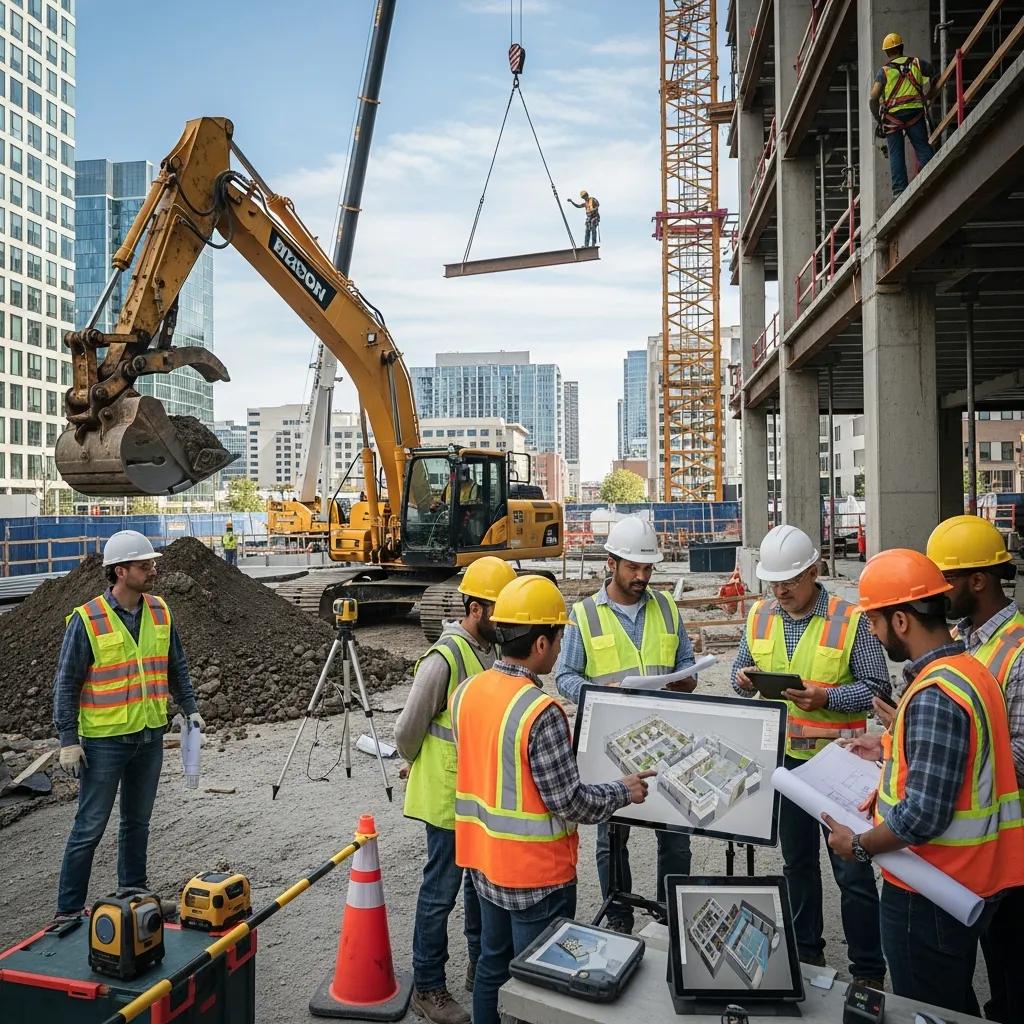
Practical Ways to Close the Skilled Labor Gap in Construction The skilled labor shortage is reshaping how projects get built: fewer experienced tradespeople, faster-evolving digital workflows, and ongoing recruitment challenges are creating multi-year gaps that hurt schedules and budgets. This guide offers pragmatic, evidence-backed strategies construction leaders can use now — from tackling root causes to deploying technology and workforce programs — so teams can protect delivery and reduce labor dependency. You’ll see where Virtual Design and Construction (VDC) and Building Information Modeling (BIM) create measurable labor efficiencies, how robotic total stations and 3D scanning supplement or replace specialized layout crews, and which people-focused practices improve recruitment and retention. The article blends clear explanation, actionable checklists, and comparative tables to help owners, GCs, and specialty subs prioritize interventions. Where relevant, we reference real-world approaches used by Conway Coordination and Layout Services (CCLS) to illustrate practical results. Root Causes and Real Project Impacts of the Skilled Labor Shortage The shortage traces to an aging workforce, low new-entry rates into the trades, a growing gap between traditional craft skills and modern digital requirements, and lingering negative impressions of construction careers. Together, these factors limit available capacity and concentrate risk on tasks requiring precise layout and coordination. The impacts are tangible: cascading schedule delays across trades, higher labor premiums and overtime, more rework and claims, and increased reliance on costly specialty subcontractors. Recognizing these drivers lets firms apply short-term mitigations while building long-term pipelines to stabilize staffing and output. How an Aging Workforce and Skills Mismatch Slow Projects As experienced technicians retire, projects lose tacit, on-site know-how that isn’t easily replaced without structured transfer programs. New entrants often lack experience with digital workflows — VDC, BIM, and precision layout tools — widening competency gaps needed for modern delivery. The result is slower field execution, more RFIs, and reduced ability to adopt prefab or modular methods that could cut labor demand. Prioritizing knowledge transfer and targeted upskilling is therefore essential to keep productivity steady as veteran workers leave. How Labor Shortages Affect Timelines and Budgets Fewer available trades compress schedule flexibility and increase direct labor costs through overtime, premium subcontractor pricing, and longer mobilizations. Delays to critical trades — for example MEP or layout crews — force resequencing, idle equipment, and prolonged administrative claims, all of which drive up total project cost. A single delayed MEP scope can push finishes and commissioning out by weeks, raising overhead and liquidated-damage exposure. Firms should quantify these impacts in planning to decide when to invest in technology or training that eases labor-sensitive bottlenecks. Where Technology Delivers Labor Efficiency on Site Digital tools boost productivity by automating repetitive tasks, tightening design-to-field fidelity, and enabling smaller teams to deliver more through coordinated workflows and off-site prefabrication. When applied where they matter most, VDC, BIM, layout automation, and cloud collaboration reduce rework, cut RFIs, raise craft-hours-per-output, and speed sequencing — all of which shrink labor demand without sacrificing quality. Different digital approaches generate distinct labor savings depending on project scope and complexity. Digital Approach Primary Function Typical Labor Impact Virtual Design & Construction (VDC) Model-driven coordination and sequencing Rework reduction 20–40%; fewer field RFIs Building Information Modeling (BIM) Precise design and fabrication outputs Prefab enablement; reduced on-site labor touchpoints Cloud Collaboration Tools Document and issue management across teams Faster decisions; less specialist travel and supervision This comparison highlights that integrated VDC and BIM workflows typically deliver the largest reductions in labor dependence by preventing downstream errors and enabling off-site work. How VDC Reduces Rework and Speeds Delivery VDC consolidates discipline models and sequences so clashes and constructability issues are identified before fieldwork begins. The result is fewer on-site reworks, clearer trade responsibilities, and more predictable labor allocation. Teams that commit to VDC report measurable drops in RFIs and can shift work toward prefabrication or staged deliveries that require fewer skilled installers, lowering total craft-hours. How BIM Increases Field Productivity BIM produces precise shop drawings, fabrication models, and layout extractions that remove ambiguity for field crews and cut manual re-measurement. Model-derived coordinates and fabrication instructions enable off-site production in controlled environments — where productivity is higher — and reduce time spent on layout and rework. Tying BIM outputs to field layout and scanning tools completes the workflow so teams can accomplish more with fewer people and fewer errors. How Precision Layout Tools Fill Skilled Labor Gaps Precision layout tools replace time-consuming, manual measurements with model-driven automation that improves accuracy and reduces the number of experienced layout technicians needed per project. Robotic total stations and mobile 3D scanners capture precise coordinates and speed verification against the model, lowering error rates and rework. High‑value use cases include anchor-bolt setting, equipment pad placement, column lines, and MEP riser coordination — places where small errors become costly fixes. Layout methods produce different practical outcomes depending on task complexity and site conditions. Layout Method Typical Accuracy Time-to-Complete (typical task) Robotic Total Station ± 1–3 mm repeatability Rapid multi-point layouts; hours vs. days 3D Scanning Sub-centimeter to millimeter with registration Fast as-built capture; reduces site visits manual Layout Centimeter-level variability Slower, higher error rework rates Why Robotic Total Stations Matter for Accurate Layout Robotic total stations automate measurement and staking by combining remote-controlled precision with digital model inputs, letting a single operator perform multi-point layouts once done by crews. This reduces headcount and measurement errors, speeds anchor-bolt and equipment positioning, and simplifies verification during rough-in. When tied to coordinated BIM outputs, RTS creates a tight feedback loop that keeps installations within design tolerances and minimizes corrective work downstream. How 3D Scanning Improves Verification and Prefab Decisions 3D scanning captures dense point-clouds that document current conditions with high fidelity, enabling off-site clash checks and prefab decisions that cut field labor time. Scans reduce the need for repeated site visits by providing a single, shareable dataset for model registration and review. Scan deliverables — registered point clouds and meshes — support retrofit planning, faster shop drawing production, and fewer measurement-driven delays. With scan-derived as-builts, teams can shift work
Expert BIM Model Optimization Consulting Services

Expert BIM Model Optimization Consulting — Improve Construction Efficiency and Data Integrity BIM model optimization refines digital building models so teams can work faster, coordinate with confidence, and hand over reliable data. This guide explains what optimization looks like in practice, why it lowers schedule and budget risk, and how disciplined validation, streamlined workflows, and disciplined coordination deliver measurable savings. You’ll get practical tactics—naming conventions, automation, clash-detection cadence, and VDC integration—that cut rework, speed approvals, and produce trustworthy as-built records. The guide also maps validation checks and workflow options, compares optimization targets and expected gains, and shows how rigorous coordination avoids field issues. Finally, we outline clear BIM rollout steps and how VDC consulting supports sequencing, risk control, and digital twin readiness, plus when to bring in specialist support. What is BIM Model Optimization and Why is it Essential? BIM model optimization is a deliberate effort to remove unnecessary geometry and inconsistent metadata, standardize attributes, and improve model performance so projects can use models reliably for coordination, layout, and facilities. The work focuses on trimming excess detail, enforcing attribute schemas, and assigning unique IDs so files open faster, clash checks behave predictably, and automation pulls accurate quantities. The payoff is tangible: shorter coordination cycles, fewer RFIs, and higher accuracy for robotic layout and prefabrication. Optimized models reduce schedule risk and make downstream workflows—4D sequencing, digital twin creation—dependable by establishing a single, trusted source of truth. Different optimization goals yield different operational benefits. The table below summarizes common targets and their typical impact. Optimization Target Performance Attribute Expected Improvement File size reduction Model load time 20–50% faster model opens Attribute normalization Data query reliability Fewer missing fields in extracts Geometry simplification Clash detection speed Faster clash runs, clearer results The comparison above shows how focused work on geometry and metadata produces everyday efficiency gains that feed into the tactics discussed next. How Does BIM Model Optimization Improve Project Efficiency? Optimization tightens iteration loops, shortens meetings, and unlocks automated downstream tasks that were once manual. By simplifying geometry and clarifying classifications, models load quicker and visual reviews become more productive—coordination agendas shorten and decisions happen sooner. For example, removing unnecessary detail from MEP families reduces clash runtime and lowers false positives, which cuts RFIs and on-site rework. Those improvements let teams shift from reactive problem solving to planned sequencing and prefabrication. With those mechanisms in mind, the next section reviews the primary cost, schedule, and quality benefits optimized models deliver. What Are the Key Benefits of Optimized BIM Models? Optimized models deliver measurable benefits across cost, schedule, and long-term operations by reducing ambiguity and enabling automation. Cleaner models support precise robotic total-station layout and prefabrication—reducing waste, installation time, and labor cost. Consistent metadata and unique IDs make handovers reliable for facilities teams, shortening commissioning and simplifying maintenance planning. Together, these gains compress delivery timelines and lower life-cycle costs through fewer defects and better as-built fidelity. These advantages underscore why strong data integrity and validation are central to project success. Conway Coordination and Layout Services () helps teams optimize models through focused BIM modeling and coordination, VDC consulting, Robotic Total Station layout, 3D scanning, and point-cloud integration. We combine precise Trimble Robotic Total Station layout and scanning to confirm models match field conditions and speed handover readiness. If you want practical, on-site help aligning optimization goals with measurement and coordination workflows, request a consultation with Conway Coordination and Layout Services. How Does BIM Data Integrity Impact Construction Project Success? Data integrity ensures model elements—unique IDs, naming conventions, and required attributes—are complete and consistent, enabling reliable decisions and automated downstream processes. When UIDs and attribute schemas are predictable, quantity takeoffs, prefabrication exports, and digital twin feeds remain traceable and avoid mismatches between design intent and field build. Poor integrity creates errors, rework, and expensive late changes because tools and contractors can’t trust or parse inconsistent model content. Treating data integrity as a risk-control discipline improves coordination outcomes and facility handovers. Element Attribute Checked Validation Method Unique Identifier (UID) Presence and uniqueness Automated UID scan and duplicate report Family/Type Naming Conforms to naming standard Regex-based naming validation Linked Files Correct version and link path CDE link audit and version control check This checklist shows concrete validation steps for critical entities. The following best practices expand on operational controls teams should adopt. What Are Best Practices for Ensuring BIM Data Accuracy? Guaranteeing data accuracy requires governance, automated validation, and scheduled audits to catch drift before it affects delivery. Use a Common Data Environment (CDE) with enforced version control, deploy templates that require key attributes, and run automated model-check scripts that flag missing UIDs or naming violations. Periodic audits—especially before milestones—surface inconsistencies early so corrections happen in design rather than the field. Together, these controls form a repeatable process that preserves data integrity across contributors and platforms. Those governance controls feed into procedures that prevent data loss—the next critical layer of durable BIM workflows. How Can Data Loss Be Prevented in BIM Workflows? Preventing data loss combines technical protections—automated backups, strict CDE workflows, and linked documentation—with process controls like change boards and disciplined check-in/check-out. Maintain versioning and rollback options in the CDE so prior states are recoverable, require change logs for model updates, and assign element ownership to avoid orphaned objects. Use UID systems and keep external records for essential asset metadata so critical information survives file corruption. Layered safeguards like these reduce the chance that data loss will disrupt project continuity. With integrity and loss prevention secure, teams can focus on workflow streamlining. The next section lays out proven strategies for that. Which Strategies Streamline BIM Workflows for Maximum Efficiency? Streamlined BIM workflows rest on three pillars: standardization, automation, and centralized data management. Templates and a short BIM Execution Plan (BEP) reduce variation across contributors; automation—model-check scripts and scheduled clash runs—removes repetitive work; and a CDE centralizes files and enforces version control for predictable handoffs. We recommend a phased rollout—pilot templates, add scripting, then expand CDE governance—to accelerate adoption and capture early wins. Strategy Characteristic
Comprehensive PPE Guidelines for Construction Workers
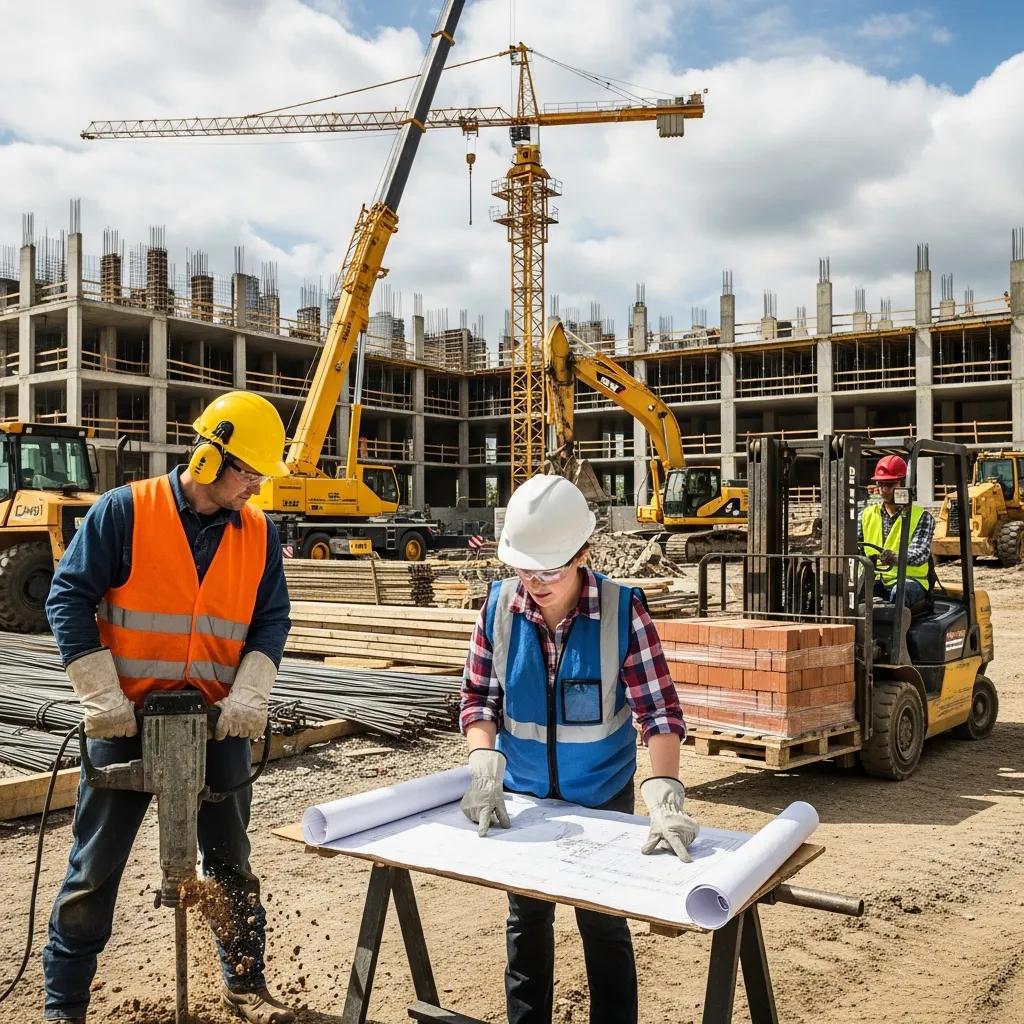
Comprehensive PPE Guide for Construction: OSHA Standards, Fit Requirements, and Practical Safety Steps PPE — personal protective equipment — is the first line of defense on any construction site. It reduces injury risk by limiting exposure to physical, chemical, and fall-related hazards. This guide lays out OSHA’s construction PPE expectations, pragmatic selection and inspection routines, and how modern digital tools make PPE programs measurable and auditable. Construction hazards change by phase — excavation, framing, mechanical, finishing — so consistent PPE planning ensures each worker gets the right gear, sized correctly, and kept serviceable. You’ll find clear steps for employer compliance, methods to match PPE to hazards, and verification approaches that include model-based validation and field scanning. The guide summarizes OSHA citations and the January 17, 2025 PPE fit requirement, compares common PPE categories to ANSI/NIOSH guidance, and provides step-by-step practices (hazard assessment, training, fit-testing, inspection schedules) to lower rework and enforcement risk. Finally, we describe how VDC, BIM, and 3D scanning can simulate hazards, confirm anchor points, and produce auditable PPE-zone documentation that strengthens on-site safety outcomes. What Are the OSHA PPE Requirements for Construction Sites? OSHA requires a site-specific hazard assessment and for employers to provide required PPE at no cost when hazards exist, as set out in 29 CFR 1926.95 and related construction rules. Employers must identify hazards, select PPE that meets applicable standards, train workers on use and care, and keep records—hazard assessments, distribution logs, and training or fit-test records—that support compliance. Good documentation should note assessment dates, identified hazards, PPE issued, and any fit verification performed; these records form a defensible audit trail during inspections. The table below summarizes core OSHA/ANSI expectations and highlights the January 17, 2025 fit rule that expands employer duties to verify and document proper fit for items such as respirators and fall-arrest components. A repeatable hazard-assessment cadence and solid recordkeeping reduce exposure and the chance of citations. OSHA/ANSI compliance comparison table: Standard / Guideline Requirement Effective Date / Notes 29 CFR 1926.95 Perform hazard assessments and provide PPE at no cost Ongoing obligation for construction employers OSHA PPE Fit Rule (Jan 17, 2025) Ensure PPE provides a proper fit; document sizing and fit processes Introduces explicit fit verification and recordkeeping expectations ANSI Standards (e.g., Z89.1, Z87.1, Z87.1+) Define performance and testing criteria for PPE Use as procurement and acceptance benchmarks This compact comparison helps safety leaders turn regulatory language into procurement, training, and inspection actions that satisfy inspectors and protect crews. How Does the 2025 OSHA PPE Fit Rule Impact Construction Safety? The 2025 fit rule tightens focus on verified fit for PPE that must conform to a worker’s body or face — for example, respirators and fall-arrest harnesses. A poor fit undermines protection, so employers must adopt documented procedures for sizing, fit-testing or fit-checks, and corrective steps when fit cannot be achieved with available gear. Records of fit sessions, adjustments, and replacements are required. Practically, incorporate sizing sessions at mobilization, require supervisors to confirm fit during pre-task briefings, and document respirator fit-testing to established protocols. Better fit means better protection, fewer stoppages for adjustments, and lower risk if equipment is stressed during an incident. What Employer Responsibilities Ensure PPE Compliance on Construction Sites? Employers carry primary responsibility for a PPE program: identify hazards, choose compliant PPE, provide training, and enforce use at the point of work. A practical employer checklist includes documented hazard assessments, written PPE policy, procurement records showing standards compliance, signed training logs, and inspection/repair records for items withdrawn from service. Define roles clearly — a safety manager to manage the program and records, superintendents to enforce daily use, and qualified trainers to run fit-testing and refreshers — so accountability is traceable. Regular audits and toolbox talks reinforce expectations and provide feedback loops from near-miss reports to procurement updates. Which Types of PPE Are Essential for Construction Workers? Essential construction PPE covers head, eye, hearing, respiratory, hand, foot, fall, and high-visibility protection. Each category addresses a specific hazard class and must be selected based on task risk. Selection follows a simple workflow: identify the hazard, select the right protective class or rating (ANSI, NIOSH), verify sizing/fit, and schedule inspection and maintenance. The table below summarizes common PPE types, applicable standards, and typical limitations so procurement and field teams can compare options quickly. PPE comparison table: PPE Type Key Features / Standards Typical Use Cases / Limitations Hard Hats ANSI Z89.1 classifications; Type I/II, Class G/C/E Impact and limited electrical protection; inspect suspension before each use Eye Protection ANSI Z87.1 impact and splash ratings Shields from debris and liquids; select side protection or goggles where needed Respirators NIOSH-certified filters/cartridges Used for dust, fumes, vapors; require fit-testing and cartridge-change tracking This quick reference aligns hazard-based PPE selection with recognized performance criteria for purchasing and field use. The list below highlights the core PPE categories and their primary purpose for fast on-site decisions: Hard hats: Head impact and penetration protection. Safety glasses/goggles: Eye protection from particles and splashes. Hearing protection: Reduce noise exposure and prevent hearing loss. Respirators: Protect the respiratory system from particulates and contaminants. Gloves: Guard hands against cuts, chemicals, and heat. Safety footwear: Protect feet from compression, puncture, and electrical risks. Fall arrest systems: Prevent or safely arrest falls while limiting injury forces. High-visibility garments: Improve worker conspicuity around equipment and traffic. These categories form the baseline PPE inventory; pick items within each category that fit the specific hazard and verify fit and condition before work begins. What Are the Key Features and Uses of Head Protection Like Hard Hats? Hard hats combine a shell and suspension to absorb impact and resist penetration; ANSI Z89.1 sets the classifications and electrical protection classes. Type I protects from top impacts; Type II adds lateral impact protection. Classes G, C, and E indicate levels of electrical protection. Inspect the shell and suspension for cracks, dents, or UV damage during daily checks; replace after impact events or if inspections show degradation. Fit by adjusting the suspension so the hat sits level
Structural BIM Modeling Services in Richmond, VA
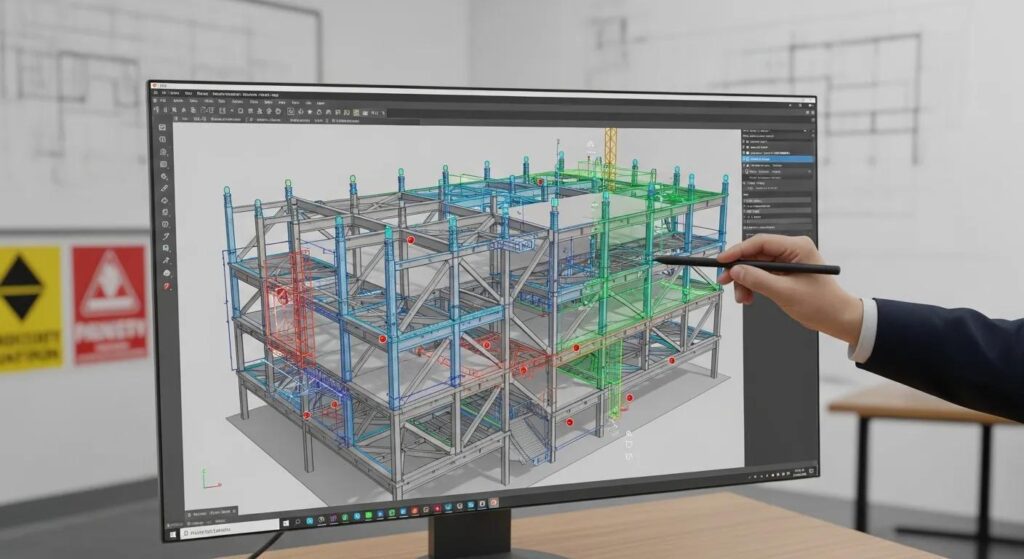
VDC construction services Structural BIM Modeling — Richmond, VA: Practical, Fabrication‑Ready Solutions for Precision and Efficiency Structural BIM modeling combines precise 3D geometry, embedded data, and coordinated workflows to produce buildable structural models that cut field errors and keep projects moving in Richmond, VA. This guide shows how structural BIM becomes a single, data‑rich source of truth for projects that face tight sites, historic renovation constraints, and local code demands. You’ll see how modern tools and repeatable workflows raise model accuracy, reduce RFIs, and speed fabrication. We cover the core building blocks of structural BIM, steel and concrete modeling best practices, coordination steps that prevent rework, and how 4D/5D workflows tie models to schedule and cost. Practical deliverables — fabrication‑ready shop models, anchor bolt verification, rebar schedules — and model‑to‑field methods using Revit, clash detection platforms, and total‑station integration are highlighted throughout. Next, we define structural BIM and outline three immediate benefits for Richmond projects. What is Structural BIM Modeling and Why is it Essential for Richmond Projects? Structural BIM modeling produces coordinated, information‑rich 3D models of a building’s structural systems to improve accuracy, fabrication readiness, and cross‑discipline collaboration. We capture geometry, material properties, connection details, and metadata in authoring tools like Revit and Tekla, then federate discipline models for clash detection and constructability review. The outcome is fewer onsite surprises, fewer RFIs, and clearer handoffs to fabricators and layout crews — a vital advantage in Richmond where constrained sites and renovation work magnify the cost of mistakes. With that context, it helps to break down the model components that make a structural BIM deliverable useful on site and in the shop. Structural BIM rests on a set of interdependent elements that make models actionable for design, fabrication, and layout. Geometry represents beams, columns, plates, and slabs; metadata includes material grades, section sizes, and fabrication attributes; connection families and parameters capture bolting and welding requirements; and a versioned federation process keeps structural, MEP, and architectural models coordinated. Those elements feed downstream outputs — shop drawings, NC files, anchor bolt schedules, and rebar lists — which reduce fabrication errors and speed installation. Next, we’ll look at how these pieces improve collaboration and delivery accuracy. Structural BIM improves construction accuracy and team collaboration by enabling iterative model handoffs, automated clash detection, and documented resolution workflows that prevent rework. Typical delivery moves from model authoring to federation, clash runs, prioritized issue assignment, and tracked resolutions in coordination reports. That shortens the feedback loop between engineers, fabricators, and contractors. Catching clashes early and resolving them in the model reduces on‑site coordination time, minimizes schedule impacts, and improves quality control during erection and concrete placement. The following section explains how providers turn these workflows into repeatable delivery processes for Richmond projects. For Richmond projects, the primary benefits of structural BIM are improved constructability, fabrication readiness, and reliable on‑site verification — outcomes that lower cost risk and improve schedule predictability. Those advantages matter most on steel and concrete work where anchor bolt placement, rebar coordination, and shop model accuracy directly affect field productivity. With those benefits in mind, the next section explains how CCLS translates capability into consistent delivery. How Does CCLS Deliver Expert Structural BIM Services in Richmond, VA? CCLS delivers structural BIM through a disciplined intake‑to‑delivery workflow that emphasizes accuracy, repeatable coordination, and model‑to‑field verification for Richmond projects. Our services center on structural authoring, shop and fabrication model preparation, clash coordination, and construction layout driven by verified models — all aligned to contractor and fabricator needs. We use a federated coordination cadence, QA checks, and integration tools to produce fabrication‑ready outputs and coordination reports that reduce RFIs and downstream change orders. Below are the core steps in our delivery process and the client benefits each step provides. CCLS follows a structured project delivery process: Project intake and scope alignment to define deliverables and exchange formats. Model authoring and validation to produce fabrication‑ready models and schedules. Federation and clash detection with prioritized issue tracking for fast resolution. Field verification and layout support using model‑driven workflows for installation accuracy. This stepwise approach improves constructability and reduces rework by aligning model outputs with site installation needs. The next subsection describes the specific modeling capabilities CCLS applies to structural work. Overview of CCLS’s Structural BIM Modeling Capabilities CCLS offers structural BIM deliverables built around contractor and fabricator workflows: Revit‑based structural authoring, shop model preparation, connection detailing, and coordinated clash deliverables. Typical outputs include fabrication‑ready models, GA drawings, anchor bolt schedules, and coordination reports formatted for downstream use in fabrication and installation. We support integrated structural–MEP coordination and provide validated files in common exchange formats so steel shops and precast manufacturers receive clear handoffs. That capability set naturally extends into how we integrate field technology to close the loop between model and site. Advanced Technologies Used: Trimble Robotic Total Station and Revit Integration We pair Revit/Fabrication models with Trimble Robotic Total Station workflows for direct model‑to‑field verification and layout execution. This integration translates anchor bolt and embed positions from the model into control points on site, improving placement accuracy and cutting layout rework during erection. Field verification cycles confirm model fidelity and feed adjustments back into the model, creating a closed loop that increases reliability for both steel erection and concrete placement. These technology links translate directly into measurable gains in precision; next we cover steel‑specific benefits. What Are the Benefits of Steel BIM Modeling for Structural Projects in Richmond? Steel BIM produces shop‑ and fabrication‑ready models that capture connection details, bolt patterns, and erection sequences to reduce shop errors, speed fabrication, and improve field installation efficiency. When models include connection‑level detail and NC exports, fabricators get precise geometry and tolerances that reduce rework in the shop and on site. Those fabrication‑ready outputs also improve coordination of anchor bolts and embeds, lowering the risk of misaligned connections during erection. The practical result is fewer RFIs, less downtime, and more predictable erection schedules for Richmond steel projects. Steel Detailing and Fabrication Models for Enhanced Precision Steel detailing in BIM